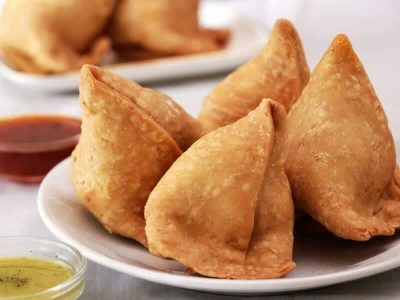
Mini Samosa holds a particular kind of nostalgia for me, though not the kind that involves a grandmother’s kitchen. The first time I had these was at a college friend’s place during exam season. Her mother made a big batch for us on a whim, and I remember watching her roll the strips almost on autopilot, the oil already heating in the background. The one thing I noticed — and later borrowed — was the cinnamon.
Just half a teaspoon, tucked into a potato filling that most people would make plain. It does something subtle to the warmth of the whole thing. I have been making these ever since, usually when I need something for guests that looks fussier than it actually is. The layered rolling technique felt strange the first few times, but once it clicks, it becomes second nature.
About the Recipe
Every ingredient here is something most Indian households already have — maida, ghee, potatoes, and a handful of spices. That is part of why I keep returning to this recipe. The dough comes together in under ten minutes, and the filling needs only two to three minutes of cooking. From start to serving, you are looking at roughly forty five minutes, including frying time. I make these most often when guests are dropping by with less than an hour’s notice, because they fry up quickly and stay crispy for a good while after.
Why you will love this recipe
The layered rolling method is the real reason this recipe earns a permanent spot. Because you roll the filling inside a thin strip of dough rather than folding it into a cone, each samosa ends up with several crispy layers instead of a single thick shell. That texture is noticeably different, and guests always comment on it.
The filling itself is simple — mashed potatoes, onion, a whisper of cinnamon, and the faint anise-like warmth of ajwain — but that combination stays interesting without being complicated. These fry at medium heat, which means you can watch a whole batch without rushing, and they come out evenly golden rather than pale on one side and overdone on the other.
Cooking Tips
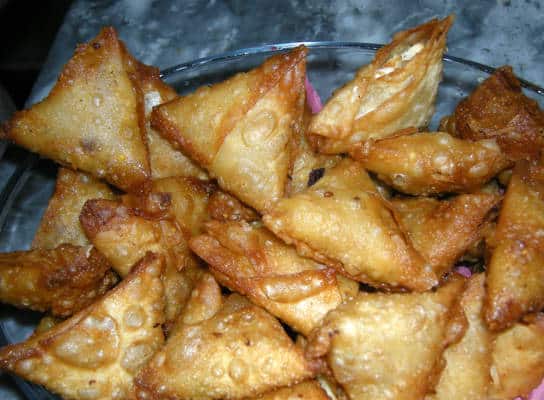
The most common mistake I see is adding too much water to the dough. Add water a tablespoon at a time until the dough just comes together, firm and not sticky. If it is too soft, the strips will stretch and tear when you roll them, and the layers will not hold. The other thing beginners get wrong is frying on high heat.
The outside browns fast but the layers inside do not cook through. Medium heat throughout is non-negotiable here. I also seal the final edge of each strip with a tiny dab of water so it does not open up in the oil.
Top Tips
- Keep the dough covered with a damp cloth while you work through each portion, otherwise the surface dries out and the strips crack when you roll them.
- Roll the chapattis as thin as you can manage — thicker dough means the layers clump together instead of separating during frying.
- The filling should be completely dry before you use it. If there is too much moisture from the potatoes, the strips will turn soggy before they even hit the oil.
- I find a sharp knife or a pizza cutter works better than a blunt one for cutting the strips cleanly without dragging the dough.
- You can make and shape the samosas a few hours ahead and keep them covered in the refrigerator. Fry them straight from the fridge, just add one extra minute to the frying time.
- Ajwain (carom seeds) can be skipped if you do not have them, but they add a distinct earthy note that works especially well against the cinnamon, so try not to leave both out at once.
Serving and Storing Suggestions
This recipe makes about 24 to 30 mini samosas, depending on how you cut your strips. Prep time is around 20 minutes and frying takes another 20 to 25 minutes in batches. Serve them hot with green chutney or tamarind sauce alongside.
If you have leftovers, store them in an airtight container at room temperature for up to a day, then reheat in an oven or air fryer at 180 degrees Celsius for five minutes to bring the crispness back. Avoid the microwave — it makes them soft.
Similar Recipes
- Aloo Tikki
- Bread Samosa
- Matar Kachori
- Baked Vegetable Puffs
- Onion Pakoda

Mini Samosa
Ingredients
- 250 gms Maida
- 150 gms Ghee
- Oil
- Salt as per taste
For the Filling:
- 4 Potatoes (boiled and mashed)
- 1 Onion - finely chopped (optional)
- 1/2 tsp Cinnamon
- 4 tsp Oil
- Ajwain (Carom Seeds - 1/4 tsp)
- Salt as per taste
Instructions
- Heat oil in a pan.
- Add the mashed potatoes, onions, cinnamon, carom seeds and salt.
- Stir-fry for 2 to 3 minutes.
- Keep aside.
- Sift together the maida, salt and ghee
- Mix well till it resembles breadcrumbs.
- Add just enough water to knead into a dough.
- Divide the dough into 12 to 14 portions.
- Roll out each portion into a very thin chapatti.
- Cut 3 inches broad strips from each chapatti so as to get 2 to 3 such strips.
- Pick up one strip at a time.
- Place a portion of the filling in the centre of the strip and roll over the filling 3 to 4 times so that the final product is a triangular shaped samosa with various layers.
- Prepare samosa from the different strips.
- Roll out another portion and again cut into strips and prepare the layered samosas in this way.
- Heat oil in a pan on medium heat.
- Fry the samosas a few at a time so that these are crispy and golden brown.
- Serve hot with chutney or sauce.
Sign up for our newsletter
Add Awesome Cuisine as a Preferred Source

Frequently Asked Questions
My samosas are opening up in the oil and the filling is spilling out. What went wrong?
The end of the strip was not sealed properly. Before you finish rolling, wet the last inch of the strip with a little water using your fingertip, then press it firmly against the samosa. Hold it for a few seconds before placing it in the oil. Also check that your oil is not too hot — high heat can cause the outer layer to puff and split before it sets.
The dough strips keep tearing when I roll them. What am I doing wrong?
Most likely the dough is either too dry or it was left uncovered and dried out. Make sure you cover the unused dough portions with a damp cloth at all times. If the dough feels stiff, knead in a few drops of water at a time. The dough should feel firm but smooth, not crumbly.
Can I use whole wheat flour instead of maida?
You can, but the texture will be noticeably heavier and the layers will not be as crisp or distinct. Maida is what gives these samosas their characteristic flakiness. If you prefer to avoid refined flour entirely, try a half-and-half mix of whole wheat and maida as a middle ground.
How do I know when the oil is at the right temperature for frying?
Drop a small piece of dough into the oil. If it sinks to the bottom and slowly rises to the top over three to four seconds, the temperature is right. If it shoots straight up and the oil bubbles violently, it is too hot. Lower the flame and wait a minute before adding the samosas.
Can I freeze these samosas before frying?
Yes. Shape the samosas fully, arrange them in a single layer on a tray, and freeze for one hour until firm. Then transfer them to a freezer bag. When you are ready to fry, place them directly into medium-hot oil from frozen — do not thaw them first, otherwise they go soft and stick together. Add two to three extra minutes to the frying time.