Table of Contents
Key Highlights
- Dietary fat supports hormone production, energy storage, cell function, and vitamin absorption.
- Unsaturated fats from foods like olive oil, nuts, seeds, avocados, and fish are generally considered healthier fat sources.
- Saturated fats are best consumed in moderation, while heavily processed trans fats are more strongly linked with cardiovascular risk.
- Dietary fat influences cholesterol levels differently depending on the type of fat consumed.
- Highly processed foods rich in unhealthy fats may contribute to inflammation and metabolic stress over time.
- Healthy fats can support better appetite control and balanced eating patterns when included in whole-food meals.
- Fat digestion and metabolism allow the body to absorb nutrients, regulate energy balance, and store long-term energy reserves.
- Balanced recipes made with healthy fats can help improve overall dietary quality without unnecessary fat restriction.
Dietary fat is often associated with weight gain and high cholesterol, leading many people to avoid fat completely. However, not all fats affect the body in the same way. While some fats are linked with higher cardiovascular risk, others support essential body functions and overall health.
Dietary fats help regulate hormones, protect organs, support cell structure, absorb vitamins A, D, E, and K, and provide concentrated energy. Unsaturated fats from foods like olive oil, nuts, seeds, and fatty fish are generally associated with better heart and metabolic health, whereas heavily processed trans fats are more strongly linked with inflammation and heart disease risk.
Understanding the different types of dietary fats makes it easier to choose healthier food sources without unnecessarily restricting important nutrients. This guide explains what dietary fat is, how fat affects cholesterol and metabolism, and which dietary fats are considered healthier as part of a balanced diet.
What Is Dietary Fat?
Dietary fat is a macronutrient that provides energy, supports hormones, protects organs, and helps the body absorb vitamins A, D, E, and K. Different fats affect the body differently, which is why fat quality matters more than avoiding fat completely.
Unsaturated fats from foods like olive oil, nuts, seeds, avocados, and fish are generally considered healthier options. In contrast, heavily processed trans fats are more strongly linked with inflammation and heart disease risk.
1. Dietary Fat Meaning Explained Simply
Dietary fat refers to the fat naturally present in foods. After digestion, the body breaks fat down into fatty acids, which help support energy production, cell function, and nutrient absorption.
The main types of dietary fats include:
- Unsaturated fats
- Saturated fats
- Trans fats
Understanding these categories makes it easier to choose healthier fat sources in everyday meals.
2. Why the Body Cannot Function Properly Without Fat
Dietary fat supports several essential body functions, including:
- Hormone production
- Brain and nerve function
- Organ protection
- Long-term energy storage
- Absorption of fat-soluble vitamins
Without enough dietary fat, the body may struggle to maintain normal hormonal, cellular, and metabolic function.
Why Does the Body Need Dietary Fat?
Dietary fat supports several essential functions beyond energy storage. It helps regulate hormones, maintain healthy cells, absorb fat-soluble vitamins, support immune responses, and provide long-term energy reserves. Different types of fat also affect inflammation, cholesterol balance, and metabolic health differently.
1. Supports Hormones, Cells, and Brain Function
Dietary fat helps produce hormones involved in metabolism, growth, and reproductive health. Fats also form part of cell membranes, which help cells function properly throughout the body.
Healthy fats additionally support brain and nerve function while helping protect organs and maintain body temperature.
2. Helps Absorb Important Vitamins
The body needs dietary fat to absorb vitamins A, D, E, and K effectively. These vitamins rely on fat during digestion to move through the bloodstream and reach different tissues. Without enough dietary fat, the body may struggle to absorb these nutrients properly over time.
3. Supports Energy Balance and Metabolism
Dietary fat acts as a concentrated energy source that the body can store and use when energy demands increase. Unlike quick-burning carbohydrates, fat provides longer-lasting energy between meals and during physical activity. The body also stores excess fat as an energy reserve that can be used when food intake decreases.
4. Supports Immune and Inflammatory Responses
Dietary fat helps regulate inflammatory responses and support immune function. Omega-3 fatty acids found in foods like salmon, walnuts, and seeds are particularly associated with anti-inflammatory benefits. Including healthier unsaturated fats as part of balanced meals may help support both immune and metabolic health.
What Are the Different Types of Dietary Fats?
Dietary fats are classified into unsaturated fats, saturated fats, and trans fats. Each type has a different chemical structure, which affects how it behaves inside the body and influences cholesterol, inflammation, and cardiovascular health. Unsaturated fats are generally considered healthier fat sources, while heavily processed trans fats are associated with higher health risks. Saturated fats are usually recommended in moderation as part of a balanced diet.
What Makes Unsaturated Fats Different From Other Fats?
Unsaturated fats contain one or more double bonds in their chemical structure, which is why they are usually liquid at room temperature. These fats are commonly associated with better heart and metabolic health.
The two main types are:
- Monounsaturated fats
- Polyunsaturated fats
Foods rich in unsaturated fats include:
- Olive oil
- Avocados
- Nuts and seeds
- Fatty fish
- Flaxseeds and walnuts
Polyunsaturated fats also include omega-3 and omega-6 fatty acids, which support several important body functions.
Why Saturated Fats Are Often Discussed in Heart Health
Saturated fats are commonly found in butter, cheese, fatty meat, full-fat dairy products, coconut oil, and palm oil. These fats are usually solid at room temperature.
High intake of saturated fats may increase LDL (“bad”) cholesterol levels in some individuals, which is why they are frequently discussed in relation to heart health. However, current nutrition guidance focuses more on overall dietary quality and moderation rather than eliminating saturated fat completely.
Replacing some saturated fats with unsaturated fats is generally associated with a healthier cholesterol balance.
Why Trans Fats Are Considered the Least Healthy Type
Trans fats are mainly produced through industrial processing that converts liquid oils into more stable solid fats. These fats are commonly found in fried foods, packaged snacks, baked products, and some processed fast foods. Unlike other fats, trans fats may both raise LDL cholesterol and lower HDL (“good”) cholesterol levels. High intake has also been associated with increased inflammation and cardiovascular disease risk.
Limiting heavily processed foods that contain trans fats is generally recommended as part of a balanced diet.
How Does Dietary Fat Affect Cholesterol?
The type of dietary fat you consume directly affects cholesterol levels inside the body. Some fats may raise LDL (“bad”) cholesterol and increase cardiovascular risk, while others help support a healthier cholesterol balance and overall heart health.
Unsaturated fats are generally associated with improved cholesterol profiles, whereas high intake of trans fats and excessive processed saturated fats is more strongly linked with artery plaque buildup and heart disease risk.
1. Dietary Fat and Cholesterol Explained
Cholesterol travels through the bloodstream in two main forms:
- LDL (low-density lipoprotein) cholesterol
- HDL (high-density lipoprotein) cholesterol
LDL cholesterol can contribute to plaque buildup inside arteries when levels become too high. HDL cholesterol helps transport excess cholesterol away from the bloodstream.
Different dietary fats influence these cholesterol levels differently, which is why fat quality matters more than avoiding fat completely.
| Fat Type | Effect on LDL Cholesterol | Effect on HDL Cholesterol |
| Saturated fats | May increase LDL | Minimal effect |
| Trans fats | Increase LDL | Lower HDL |
| Monounsaturated fats | May lower LDL | Help maintain HDL |
| Polyunsaturated fats | May lower LDL | Help support HDL |
2. Which Fats May Raise LDL Cholesterol Levels?
Trans fats and excessive intake of processed saturated fats are most strongly associated with increased LDL cholesterol levels.
Common sources include:
- Fried fast foods
- Packaged baked products
- Processed snacks
- Fatty processed meats
- Butter and full-fat dairy in excess
Trans fats are considered particularly harmful because they may also reduce HDL cholesterol, alongside increasing LDL levels. Limiting heavily processed foods while balancing fat intake with healthier unsaturated fats may help support better cardiovascular health.
Which Dietary Fats May Support Healthier Cholesterol Balance?
Unsaturated fats are generally associated with healthier cholesterol levels when they replace heavily processed fats in the diet.
Foods rich in healthier unsaturated fats include:
- Olive oil
- Avocados
- Nuts and seeds
- Salmon and sardines
- Flaxseeds and walnuts
Omega-3 fatty acids found in fatty fish and seeds are also associated with cardiovascular benefits and lower triglyceride levels. Replacing some saturated fats with whole-food unsaturated fat sources is widely considered a more balanced approach to long-term heart health.
Does Dietary Fat Make You Fat?
Dietary fat alone does not automatically cause weight gain. Body weight is influenced more by total calorie intake, food quality, physical activity, portion sizes, and long-term eating habits than by fat consumption alone.
Although fat contains more calories per gram than carbohydrates or protein, healthy fats can still support balanced eating patterns. Weight gain typically occurs when consistent calorie intake exceeds the body’s energy needs over time, especially when diets rely heavily on ultra-processed, calorie-dense foods.
Whole-food fat sources such as nuts, seeds, avocados, olive oil, eggs, and fatty fish are often more satisfying than highly processed foods. These foods usually contain fibre, protein, and nutrients that help support fullness and appetite regulation.
1. Why Processed High-Fat Foods Affect Weight Differently
Processed high-fat foods are often designed to encourage overeating by combining unhealthy fats, refined carbohydrates, added sugars, and excess salt in highly palatable combinations.
Common examples include:
- Fried fast food
- Packaged snacks
- Processed desserts
- Commercial baked products
These foods are typically calorie-dense while providing little fibre or protein, which may reduce fullness after eating. As a result, people may consume excess calories more easily without recognising how much energy they are taking in.
Frequent intake of ultra-processed foods is more strongly associated with long-term weight gain than moderate intake of healthy fats from minimally processed foods.
2. Why Whole-Food Fats Affect Appetite Differently
Whole-food fat sources are generally digested more slowly and often provide better meal satisfaction than heavily processed low-fat snacks.
Foods like:
- Avocados
- Nuts and seeds
- Eggs
- Greek yoghurt
- Fatty fish
Combine healthy fats with protein, fibre, or both. This combination may help reduce frequent snacking and support more stable appetite control throughout the day. Balanced meals that include healthy fats are often more filling than heavily processed foods marketed as “low-fat” or “diet-friendly.”
3. Can Healthy Fats Support Weight Management?
Healthy unsaturated fats may support weight management when included in balanced portions alongside fibre-rich carbohydrates and protein sources.
Portion awareness still matters because dietary fat is calorie-dense. However, replacing heavily processed foods with whole-food fat sources may help improve meal quality, reduce overeating triggers, and support more sustainable eating habits over time.
How Does Dietary Fat Absorption and Metabolism Work?
Dietary fat is digested mainly in the small intestine, where bile and digestive enzymes break large fat molecules into smaller fatty acids and glycerol. These smaller components are then absorbed through the intestinal lining and transported through the bloodstream.
After absorption, the body either uses fat for immediate energy or stores excess fat in adipose tissue for future energy needs. Stored fat also helps support hormone production, protect organs, maintain cell structure, and regulate body temperature. This process allows the body to balance energy use while supporting several essential biological functions.
Does Dietary Fat Cause Insulin Resistance?
Dietary fat alone does not directly cause insulin resistance, but the type of fat and overall dietary pattern can influence metabolic health over time. Diets high in heavily processed foods, trans fats, excess calories, and refined carbohydrates are more strongly associated with insulin resistance and chronic inflammation.
In contrast, healthier unsaturated fats are often linked with better metabolic balance and improved insulin sensitivity when included as part of a balanced diet.
1. How Processed Fats May Contribute to Metabolic Stress
Highly processed foods often contain trans fats, refined carbohydrates, added sugars, and excess calories, which may increase metabolic stress and inflammation.
Common sources include:
- Fried fast foods
- Packaged snacks
- Commercial baked products
- Processed ready meals
Long-term intake of these foods may interfere with normal insulin function and contribute to higher blood sugar levels over time.
Chronic inflammation linked with heavily processed diets is also considered a major factor in metabolic health problems.
2. Can Healthier Fats Support Metabolic Health?
Unsaturated fats, particularly omega-3 fatty acids, are generally associated with better metabolic health and lower inflammatory activity.
Foods commonly linked with healthier fat intake include:
- Fatty fish
- Olive oil
- Nuts and seeds
- Avocados
Mediterranean-style eating patterns that include whole-food fat sources are often associated with improved insulin sensitivity and better cardiovascular health. Replacing heavily processed fats with healthier unsaturated fats may help support more balanced metabolic function over time.
What Foods Contain Healthy Dietary Fats?
Healthy dietary fats are naturally present in several whole foods, particularly nuts, seeds, avocados, olive oil, and fatty fish. These foods mainly contain unsaturated fats, which are generally associated with better cardiovascular and metabolic health.
Including a variety of whole-food fat sources in everyday meals can help improve overall dietary quality without relying on heavily processed foods.
Which Foods Naturally Contain Healthy Dietary Fats?
Many minimally processed foods provide healthy unsaturated fats, including monounsaturated fatty acids, along with fibre, protein, vitamins, and minerals.
Common sources include:
- Avocados
- Olive oil
- Almonds and walnuts
- Chia and flaxseeds
- Peanut and almond butter
- Salmon, sardines, and mackerel
Omega-3-rich fish and seeds are particularly associated with heart and brain health support, while nuts and olive oil are commonly included in Mediterranean-style eating patterns.
| Food | Main Fat Type | Main Benefit |
| Salmon | Omega-3 fats | Heart and brain support |
| Avocados | Monounsaturated fats | Satiety and nutrient density |
| Walnuts | Polyunsaturated fats | Healthy fat source |
| Olive oil | Monounsaturated fats | Widely used healthy cooking fat |
Which Foods Are Commonly High in Unhealthy Fats?
Heavily processed foods are often high in trans fats, refined oils, and excessive saturated fats.
Common examples include:
- Fried fast foods
- Packaged snacks
- Commercial baked products
- Processed desserts
- Deep-fried takeaway foods
Many of these foods are also high in refined carbohydrates, added sugars, and excess calories, which may contribute to poor dietary quality and increased cardiovascular risk when consumed frequently.
Limiting heavily processed foods while prioritising whole-food fat sources is generally considered a more balanced approach to long-term health.
What Are Some Healthy Recipes That Include Dietary Fats?
Healthy dietary fats, including walnut oil, can be included naturally through balanced meals made with ingredients like avocados, nuts, seeds, olive oil, yoghurt, eggs, and fatty fish. These recipes combine healthy fats with protein, fibre, and whole foods to create more satisfying meals.
1. Banana Almond Smoothie
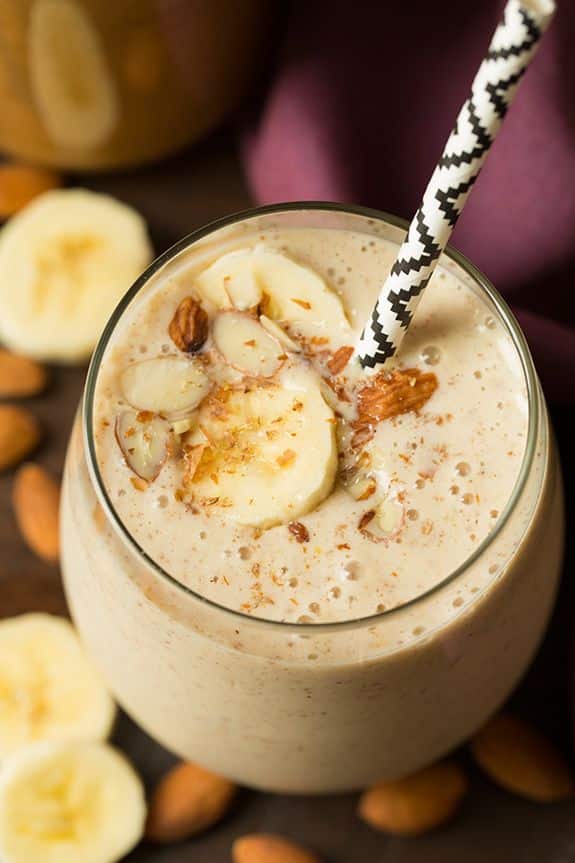
A banana almond smoothie is a simple way to include healthy dietary fats in everyday meals without relying on heavily processed ingredients. Almond butter and chia seeds provide healthy unsaturated fats, while Greek yoghurt adds protein and creaminess. When paired with bananas, this smoothie makes a balanced breakfast or snack that can help improve meal satisfaction and provide longer-lasting energy throughout the day.
Key Ingredients:
Banana, almond butter, Greek yoghurt, milk, chia seeds
Recipe
Preparing the Ingredients:
- Slice the banana into smaller pieces.
- Measure the almond butter and chia seeds.
- Chill the milk and yoghurt for a colder smoothie.
Blending the Smoothie:
- Add banana, almond butter, yoghurt, milk, and chia seeds to a blender.
- Blend until smooth and creamy.
- Adjust consistency with extra milk if needed.
Serving:
- Pour into a serving glass.
- Top with extra chia seeds or sliced almonds if preferred.
- Serve chilled immediately.
For more balanced drink ideas using fruits, nuts, and healthy ingredients, explore these healthy smoothie recipes.
2. Avocado Toast with Eggs
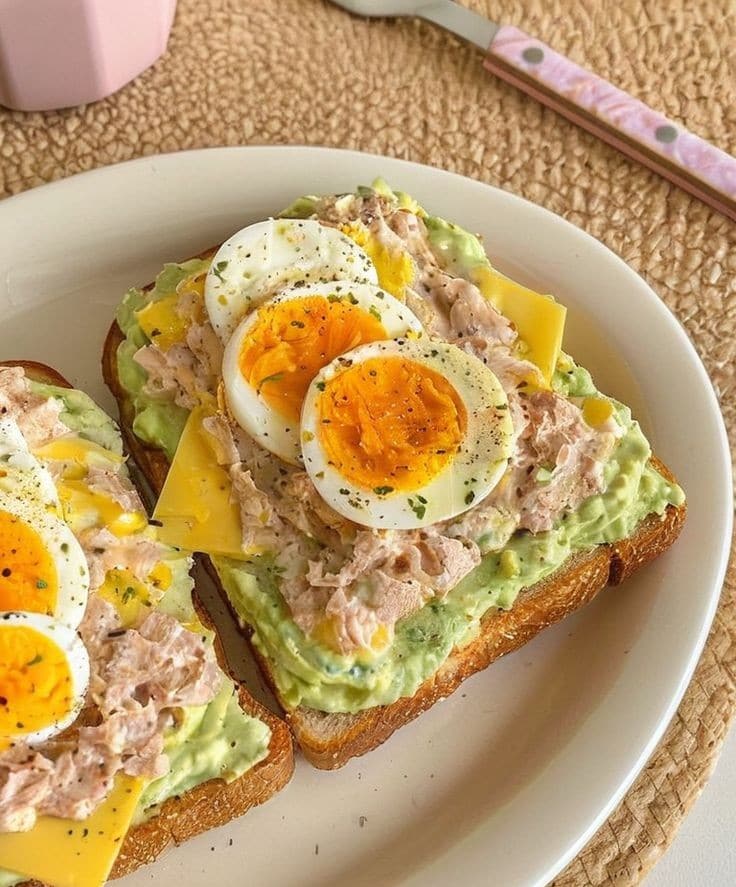
Avocado toast with eggs combines healthy monounsaturated fats, protein, and fibre in one balanced meal. Avocados provide heart-friendly unsaturated fats, while eggs add protein that helps improve meal satisfaction. Paired with wholegrain bread, this recipe makes a nutritious breakfast or light lunch without relying on heavily processed ingredients.
Key Ingredients:
Wholegrain bread, avocado, eggs, olive oil, lemon juice, chilli flakes
Recipe
Preparing the Avocado:
- Mash the avocado in a bowl until smooth.
- Add lemon juice, salt, and black pepper.
Preparing the Eggs:
- Boil, poach, or fry the eggs as desired.
- Season lightly with salt and pepper.
Assembling the Toast:
- Toast the wholegrain bread slices lightly.
- Spread the mashed avocado evenly over the toast.
- Place the eggs on top and drizzle lightly with olive oil.
- Sprinkle chilli flakes for extra flavour if preferred.
Serving:
- Serve warm with fresh salad, fruit, or yoghurt on the side.
- Garnish with extra herbs or seeds if desired.
This avocado toast recipe works well as a practical way to include healthy fats, protein, and fibre in everyday meals while keeping breakfast both filling and nutritionally balanced.
3. Grilled Salmon with Vegetables

Grilled salmon with vegetables is a nutrient-dense meal rich in omega-3 fatty acids, protein, fibre, and essential vitamins. Salmon provides healthy polyunsaturated fats that are commonly associated with heart and brain health, while vegetables add fibre and important nutrients that help create a more balanced meal.
Key Ingredients:
Salmon fillets, olive oil, garlic, broccoli, carrots, lemon juice, herbs
Recipe
Preparing the Salmon:
- Marinate the salmon with olive oil, garlic, lemon juice, salt, and herbs.
- Let it rest for 15–20 minutes before cooking.
Preparing the Vegetables:
- Chop broccoli and carrots into even pieces.
- Toss the vegetables with olive oil, salt, and pepper.
Cooking:
- Grill the salmon until fully cooked and lightly golden.
- Roast or sauté the vegetables until tender.
Serving:
- Place the grilled salmon alongside the vegetables.
- Garnish with lemon wedges and fresh herbs before serving.
This salmon recipe provides a practical way to include omega-3-rich healthy fats in balanced lunches or dinners without relying on heavily processed ingredients. For more seafood meal inspiration, explore these salmon kebab recipes made with flavourful herbs, vegetables, and protein-rich salmon.
4. Greek Yoghurt and Nut Breakfast Bowl

A Greek yoghurt and nut breakfast bowl combines healthy fats, protein, and fibre in one quick and balanced meal. Nuts and seeds provide healthy unsaturated fats, while Greek yoghurt adds protein that can help improve meal satisfaction and support better appetite control throughout the morning.
Key Ingredients:
Greek yoghurt, walnuts, almonds, chia seeds, berries, honey
Recipe
Preparing the Base:
- Add Greek yoghurt to a serving bowl.
- Wash and slice the fresh berries.
Adding the Toppings:
- Top the yoghurt with walnuts, almonds, and chia seeds.
- Add the berries evenly over the bowl.
Finishing the Bowl:
- Drizzle honey lightly for natural sweetness if preferred.
- Sprinkle extra seeds or chopped nuts on top.
Serving:
- Serve chilled as a quick breakfast or healthy snack option.
- Pair with fresh fruit or wholegrain toast if desired.
This breakfast bowl offers a simple way to include healthy fats, protein, and fibre in everyday meals while keeping breakfast filling and nutrient-dense.
5. Chia Seed Overnight Oats
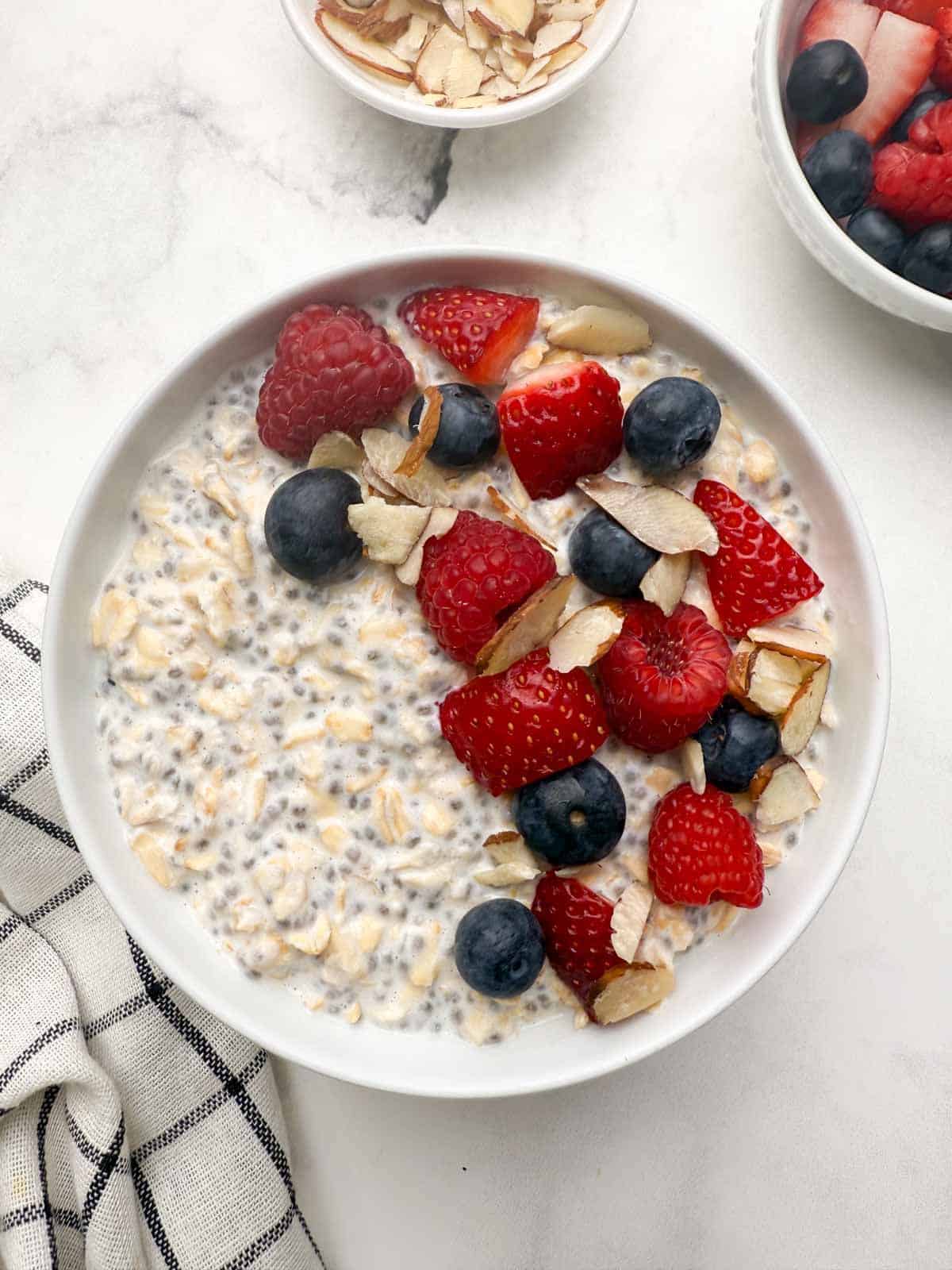
Chia seed overnight oats combine healthy fats, fibre, and complex carbohydrates in a simple make-ahead breakfast. Chia seeds provide omega-3 fatty acids and help create a thicker texture, while oats support longer-lasting energy and meal satisfaction throughout the morning.
Key Ingredients:
Rolled oats, chia seeds, milk, almonds, honey, berries
Recipe
Preparing the Oats:
- Add rolled oats and chia seeds to a jar or bowl.
- Pour in the milk and mix well to combine.
Refrigerating Overnight:
- Cover the jar and refrigerate overnight or for at least 6 hours.
- Stir once before serving if needed.
Adding the Toppings:
- Top with almonds, berries, and a light drizzle of honey.
- Add extra chia seeds for additional texture if preferred.
Serving:
- Serve chilled as a quick breakfast or post-workout meal.
- Pair with fresh fruit for a more balanced meal option.
This overnight oats recipe offers a practical way to include healthy fats, fibre, and whole-food ingredients in busy morning routines. For more make-ahead breakfast ideas with oats and berries, explore these berry burst overnight oats recipes for additional nutritious breakfast inspiration.
6. Mediterranean Chickpea Salad
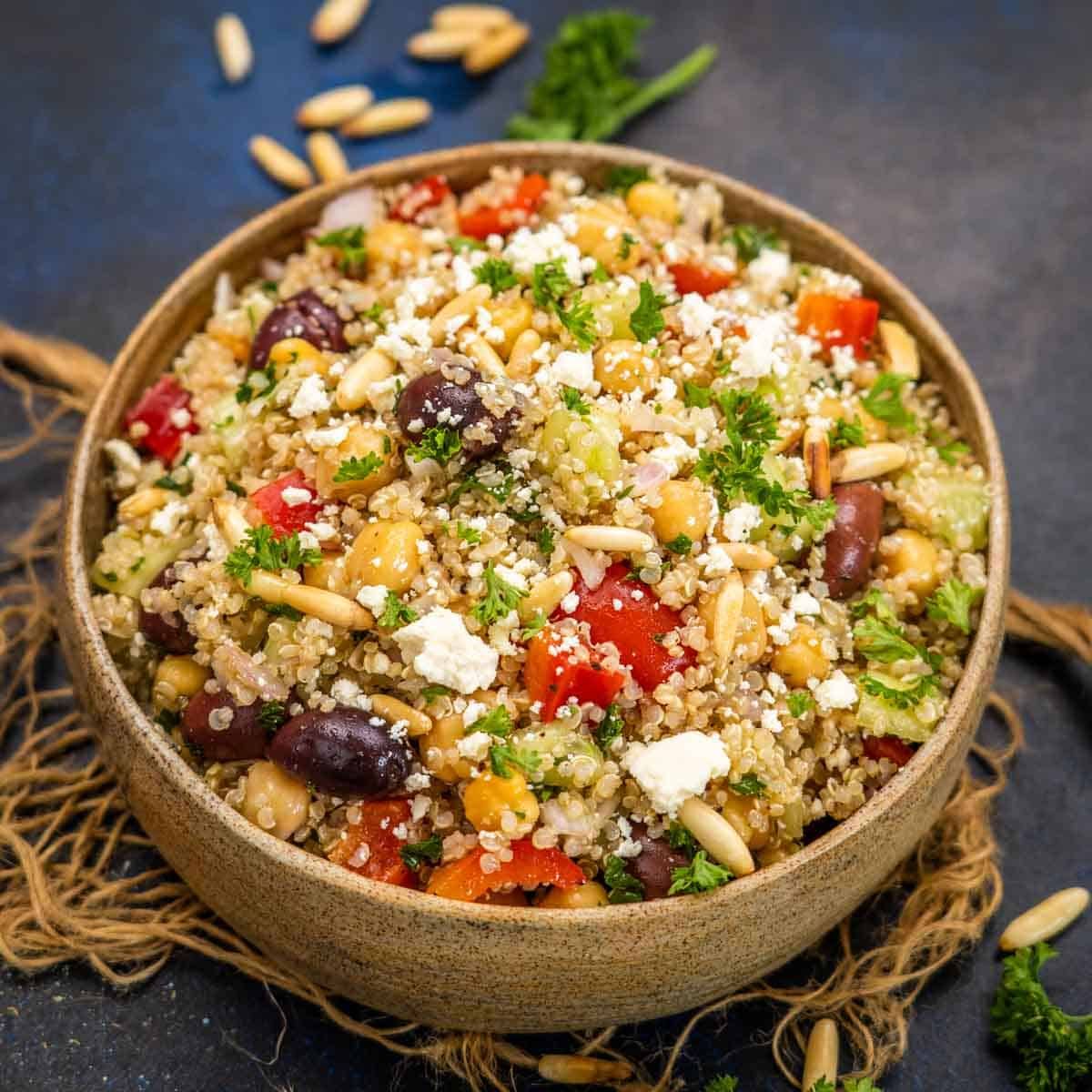
Mediterranean chickpea salad combines healthy fats, fibre, and plant-based protein in a light yet balanced meal. Olive oil provides heart-friendly monounsaturated fats, while chickpeas and fresh vegetables help improve meal satisfaction and overall nutritional value.
Key Ingredients:
Chickpeas, cucumber, cherry tomatoes, red onion, olive oil, feta cheese, lemon juice
Recipe
Preparing the Vegetables:
- Chop the cucumber, tomatoes, and red onion into small pieces.
- Rinse and drain the chickpeas thoroughly.
Mixing the Salad:
- Add the vegetables and chickpeas to a large bowl.
- Crumble feta cheese over the mixture.
Preparing the Dressing:
- Combine olive oil, lemon juice, salt, pepper, and herbs in a small bowl.
- Mix well before pouring over the salad.
Serving:
- Toss everything evenly before serving.
- Serve chilled as a light lunch or side dish.
This Mediterranean chickpea salad provides a practical way to include olive oil, fibre, and healthy fats in everyday meals without relying on heavily processed ingredients. For more wholesome salad ideas with chickpeas and protein-rich ingredients, explore these chickpea paneer salad recipes for additional balanced meal inspiration.
7. Walnut and Berry Oatmeal
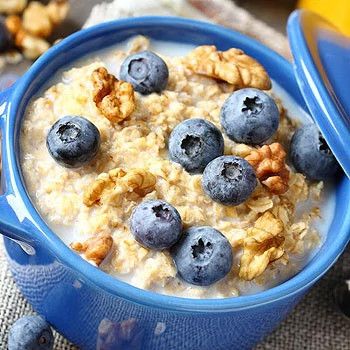
Walnut and berry oatmeal combines healthy fats, fibre, and antioxidants in a warm and balanced breakfast. Walnuts provide polyunsaturated fats, including omega-3 fatty acids, while oats and berries help support longer-lasting energy and better meal satisfaction.
Key Ingredients:
Rolled oats, walnuts, berries, milk, cinnamon, and honey
Recipe
Preparing the Oatmeal:
- Add rolled oats and milk to a saucepan.
- Cook over medium heat until the oats become soft and creamy.
Adding the Flavour:
- Stir in cinnamon while cooking.
- Add a small drizzle of honey if preferred.
Preparing the Toppings:
- Chop the walnuts into smaller pieces.
- Wash and prepare the fresh berries.
Serving:
- Pour the oatmeal into a serving bowl.
- Top with walnuts and berries before serving warm.
This oatmeal recipe offers a simple way to include healthy fats, fibre, and whole-food ingredients in a balanced breakfast without relying on heavily processed foods. For more oat-based breakfast and snack ideas, explore these raspberry oatmeal bar recipes made with wholesome oats and fruit ingredients.
8. Olive Oil Vegetable Pasta
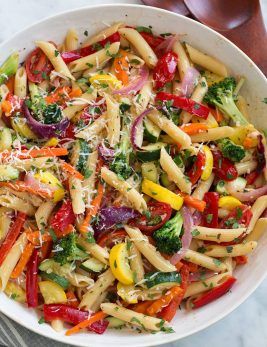
Olive oil vegetable pasta is a lighter alternative to heavy cream-based pasta dishes while still providing healthy fats and balanced nutrition. Olive oil supplies monounsaturated fats, while vegetables and wholegrain pasta add fibre and important nutrients that help make the meal more satisfying.
Key Ingredients:
Wholegrain pasta, olive oil, spinach, cherry tomatoes, garlic, mushrooms, herbs
Recipe
Preparing the Pasta:
- Boil the wholegrain pasta until tender.
- Drain the pasta and set aside.
Cooking the Vegetables:
- Heat olive oil in a large pan.
- Sauté garlic, mushrooms, and cherry tomatoes until softened.
- Add spinach and cook until lightly wilted.
Combining the Ingredients:
- Add the cooked pasta to the vegetables.
- Toss everything together with herbs, salt, and black pepper.
Serving:
- Serve warm with extra olive oil or herbs on top if preferred.
- Pair with salad or grilled vegetables for a more balanced meal.
This vegetable pasta recipe offers a practical way to include olive oil and healthy fats in everyday meals without relying on heavily processed sauces.
9. Peanut Butter Banana Toast

Peanut butter banana toast combines healthy fats, fibre, and natural carbohydrates in a quick and balanced meal. Peanut butter provides unsaturated fats and protein, while bananas add natural sweetness and energy, making this recipe suitable for breakfast or healthy snacks.
Key Ingredients:
Wholegrain bread, peanut butter, banana, chia seeds, cinnamon
Recipe
Preparing the Toast:
- Toast the wholegrain bread slices lightly until crisp.
- Spread peanut butter evenly over each slice.
Adding the Toppings:
- Slice the banana into thin pieces.
- Arrange the banana slices evenly on top of the peanut butter.
Finishing the Toast:
- Sprinkle chia seeds and a small amount of cinnamon over the toast.
- Add extra nuts or seeds if preferred.
Serving:
- Serve immediately while the toast is still warm.
- Pair with yoghurt or fresh fruit for a more filling meal option.
This peanut butter banana toast offers a practical way to include healthy fats and whole-food ingredients in quick breakfasts or everyday snack options.
10. Sardine and Avocado Salad Bowl
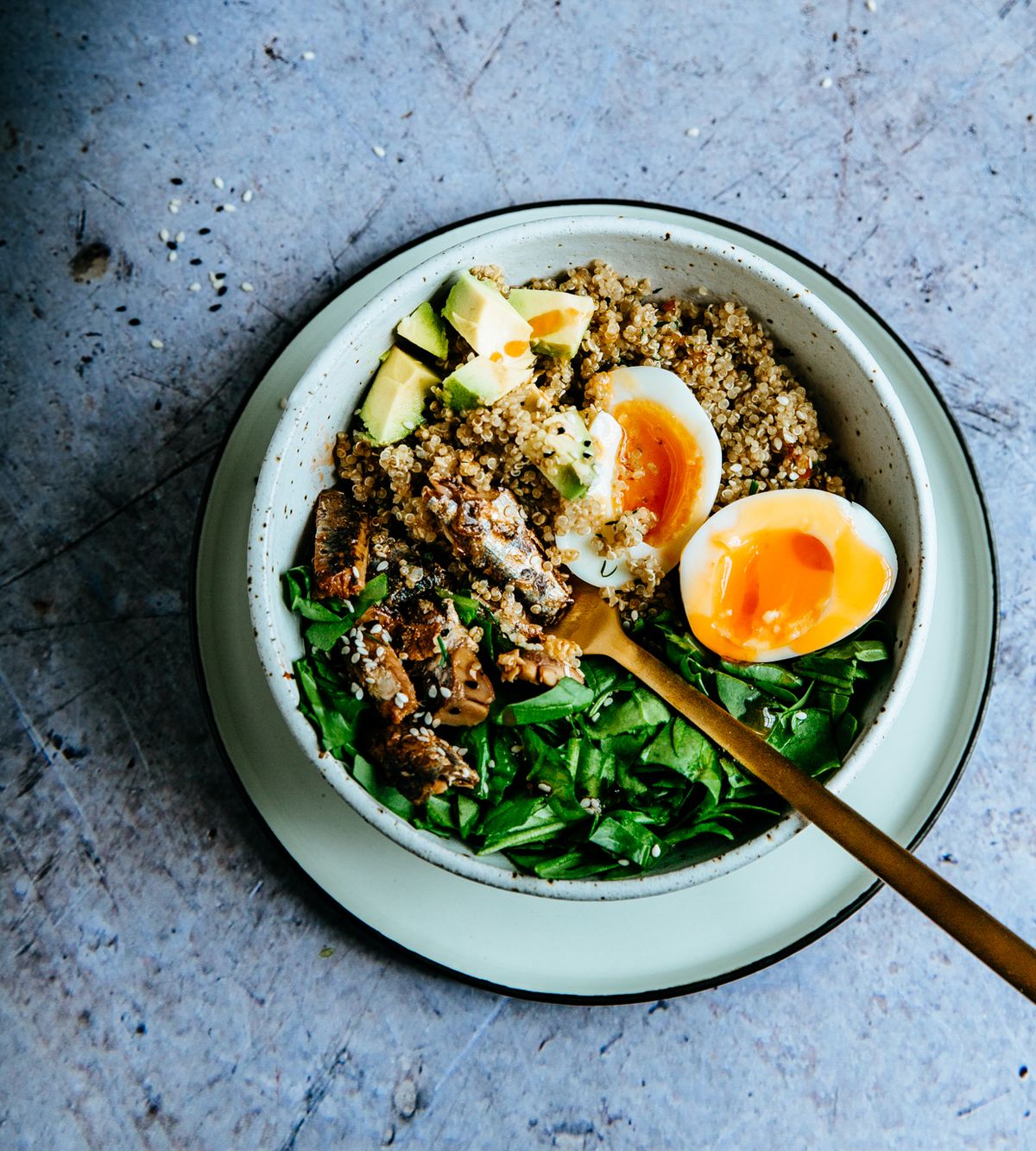
Sardine and avocado salad bowls combine omega-3-rich healthy fats, protein, and fibre in a light yet nutrient-dense meal. Sardines, which are an oily fish, provide polyunsaturated fats associated with heart health, while avocados contribute monounsaturated fats that help improve meal satisfaction and overall dietary balance.
Key Ingredients:
Sardines, avocado, lettuce, cucumber, cherry tomatoes, olive oil, lemon juice
Recipe
Preparing the Vegetables:
- Chop the lettuce, cucumber, and cherry tomatoes into bite-sized pieces.
- Slice the avocado evenly and set aside.
Preparing the Sardines:
- Drain the sardines if packed in oil or water.
- Break them into smaller pieces if preferred.
Assembling the Salad Bowl:
- Add the vegetables to a serving bowl.
- Arrange the avocado slices and sardines evenly on top.
Adding the Dressing:
- Drizzle olive oil and lemon juice over the salad.
- Season lightly with salt, black pepper, and herbs if desired.
Serving:
- Serve chilled as a balanced lunch or light dinner option.
- Pair with wholegrain bread or roasted vegetables for a more filling meal.
This salad bowl provides a practical way to include omega-3 fats, olive oil, and whole-food ingredients in balanced everyday meals.
Including healthy fats through balanced, whole-food recipes can help improve meal quality, support better energy balance, and make everyday eating more satisfying without relying on heavily processed foods.
Conclusion
Dietary fat is an essential nutrient that supports hormone production, energy storage, brain function, cell structure, and the absorption of important vitamins, including essential fatty acids. Different fats affect the body differently, which is why overall fat quality matters more than avoiding dietary fat entirely. Unsaturated fats from foods like olive oil, nuts, seeds, avocados, and fatty fish are generally associated with better cardiovascular and metabolic health, while heavily processed trans fats are more strongly linked with inflammation and heart disease risk.
Building meals around whole-food fat sources can help improve dietary balance without unnecessary restrictions. Choosing minimally processed foods, moderating unhealthy fat intake, and including balanced recipes with healthy fats while checking the nutrition label may support better long-term eating habits, improved meal satisfaction, and overall wellness.
Frequently Asked Questions
Are all fats unhealthy, or are some essential for health?
No. Healthy unsaturated fats are essential for hormone production, brain function, energy storage, and vitamin absorption. However, heavily processed trans fats and excessive unhealthy fat intake are more strongly associated with cardiovascular and blood vessel-related health risks.
How can I make healthier fat choices when planning meals?
Choose whole-food fat sources like olive oil, nuts, seeds, avocados, eggs, and fatty fish more often than heavily processed fried or packaged foods. Replacing trans fats and excess processed fats with unsaturated fats can help improve the overall dietary balance while keeping track of the amount of fat you consume.
How much dietary fat should an adult include in their daily diet?
Most health guidelines recommend that adults get around 20–35% of their daily calories from dietary fat, in line with the human services health recommendations. The focus should remain on healthier unsaturated fats while limiting heavily processed trans fats and excessive saturated fat intake.
What are some common sources of dietary fat in a typical diet?
Common dietary fat sources include olive oil, butter, nuts, seeds, avocados, dairy products, eggs, fatty fish, processed snacks, fried foods, and packaged baked products, as well as vegetable oils. Different foods contain different types of fats that affect health differently.
Can eating too much dietary fat lead to health problems?
Yes. Regularly consuming excessive amounts of heavily processed fats, fried foods, and calorie-dense meals may increase the risk of obesity, high cholesterol, cardiovascular disease, fatty liver disease, and other long-term metabolic health problems.
What is the difference between trans fat and other types of dietary fat?
Trans fats are mainly produced through industrial processing and are considered less healthy than other dietary fats. Unlike unsaturated fats, trans fats may raise LDL (“bad”) cholesterol while lowering HDL (“good”) cholesterol, increasing cardiovascular health risks, and also affecting total fat intake and inflammatory health risks.