Table of Contents
Key Highlights
- Homemade smoothies allow better control over ingredients, sugar levels, and nutritional balance.
- Frozen fruit improves smoothie texture by creating a thicker and creamier consistency.
- Protein, fibre, and healthy fats help smoothies feel more filling and balanced.
- Different smoothie types support different goals, including breakfast, hydration, recovery, and weight loss.
- Proper blending order helps prevent smoothies from becoming watery or unevenly mixed.
- Green smoothies combine leafy vegetables with fruit for added nutrients without strong bitterness.
- Smoothie bowls use less liquid to create thicker textures suitable for spoon-based breakfasts.
Quick breakfasts, refreshing drinks, and healthy snacks have made homemade smoothies increasingly popular for everyday routines. Using fruits, vegetables, yoghurt, nuts, and seeds allows you to prepare café-style smoothies at home while adjusting ingredients based on flavour preferences and nutritional goals.
However, many homemade smoothies become watery, overly sweet, or poorly balanced because of incorrect ingredient ratios and blending methods. A good smoothie should combine smooth texture with enough protein, fibre, or healthy fats to feel satisfying, whether it is prepared for breakfast, hydration, recovery, or weight management.
This guide explains how to make smoothies at home using simple ingredients, practical blending techniques, and balanced recipes. It also covers different smoothie types, healthier ingredient combinations, and common mistakes that affect flavour and consistency.
What Ingredients Do You Need to Make Smoothies at Home?
Most smoothies use a combination of fruits, liquids, and optional ingredients that improve texture, flavour, and nutritional balance. Using the right ingredient combinations also makes smoothies easier to customise for breakfast, recovery, hydration, or lighter snacks.
Fresh and frozen fruits both work well in smoothies, although frozen fruit usually creates a thicker consistency without needing excessive ice. Popular smoothie fruits include bananas, berries, mangoes, pineapples, and peaches because they blend smoothly and provide natural sweetness.
Leafy greens and vegetables help increase fibre and nutrient content without heavily affecting flavour when balanced properly with fruit. Common additions include:
- Spinach
- Kale
- Cucumber
- Avocado
The liquid base also affects texture and flavour. Almond milk creates lighter smoothies, while oat milk and yoghurt produce creamier blends. Coconut water is often used in hydration smoothies because it creates a lighter consistency.
Protein and healthy fats help smoothies feel more filling and nutritionally balanced. Common additions include:
- Greek yoghurt
- Protein powder
- Peanut butter
- Chia seeds
- Flaxseeds
- Oats
Flavour additions can also improve smoothies without relying heavily on added sugars. Ingredients like cinnamon, ginger, mint, lemon juice, and matcha help create stronger flavour balance naturally.
A simple beginner smoothie can include:
- 1 banana
- 1 handful of strawberries
- 1 cup almond milk
- 1 spoon Greek yoghurt
Once comfortable with basic combinations, you can experiment with different fruits, greens, protein sources, and healthy fats to create smoothies with different textures and nutritional goals.
How to Make Smoothies at Home Properly?
Making smoothies at home depends on ingredient balance, blending order, and consistency control. Small adjustments in preparation can improve texture significantly while preventing smoothies from becoming watery, overly thick, or unevenly blended.
Step 1: Choose Your Liquid Base
The liquid base helps ingredients blend smoothly while affecting flavour and texture. Almond milk and coconut water create lighter smoothies, while oat milk, dairy milk, and yoghurt produce creamier blends. Adding liquids first also helps prevent ingredients from sticking beneath the blender blades.
Step 2: Add Fruits and Vegetables
Fruits provide sweetness and texture, while vegetables increase fibre and nutrient content. Frozen bananas, berries, mangoes, and pineapple usually create thicker smoothies without excessive ice. Greens like spinach and kale blend more smoothly when paired with sweeter fruits.
Step 3: Include Protein or Healthy Fats
Protein and healthy fats help smoothies feel more balanced and filling. Ingredients such as Greek yoghurt, protein powder, peanut butter, chia seeds, flaxseeds, and avocado also improve consistency while reducing excessive sweetness from fruit-heavy blends.
Step 4: Blend in the Correct Order
Adding ingredients in the right sequence improves blending consistency. Liquids should remain at the bottom, followed by softer ingredients, while frozen fruits should be added last. Starting at a lower speed before blending fully also creates a smoother texture.
Step 5: Adjust the Consistency
Smoothie consistency depends on personal preference and ingredient ratios. If the smoothie feels too thick, add small amounts of liquid gradually. If it becomes too thin, frozen fruit, yoghurt, or ice can improve thickness without heavily affecting flavour.
Making smaller adjustments during blending usually creates a smoother texture and better flavour balance than changing multiple ingredients at once.
Which Types of Smoothies Are Most Popular?
Trying different smoothie recipes helps you experiment with flavours, textures, and nutritional combinations without complicated preparation. The recipes below use simple ingredients while covering different smoothie styles, including fruit smoothies, green smoothies, protein smoothies, and smoothie bowls.
1. Blueberry Smoothie Bowl
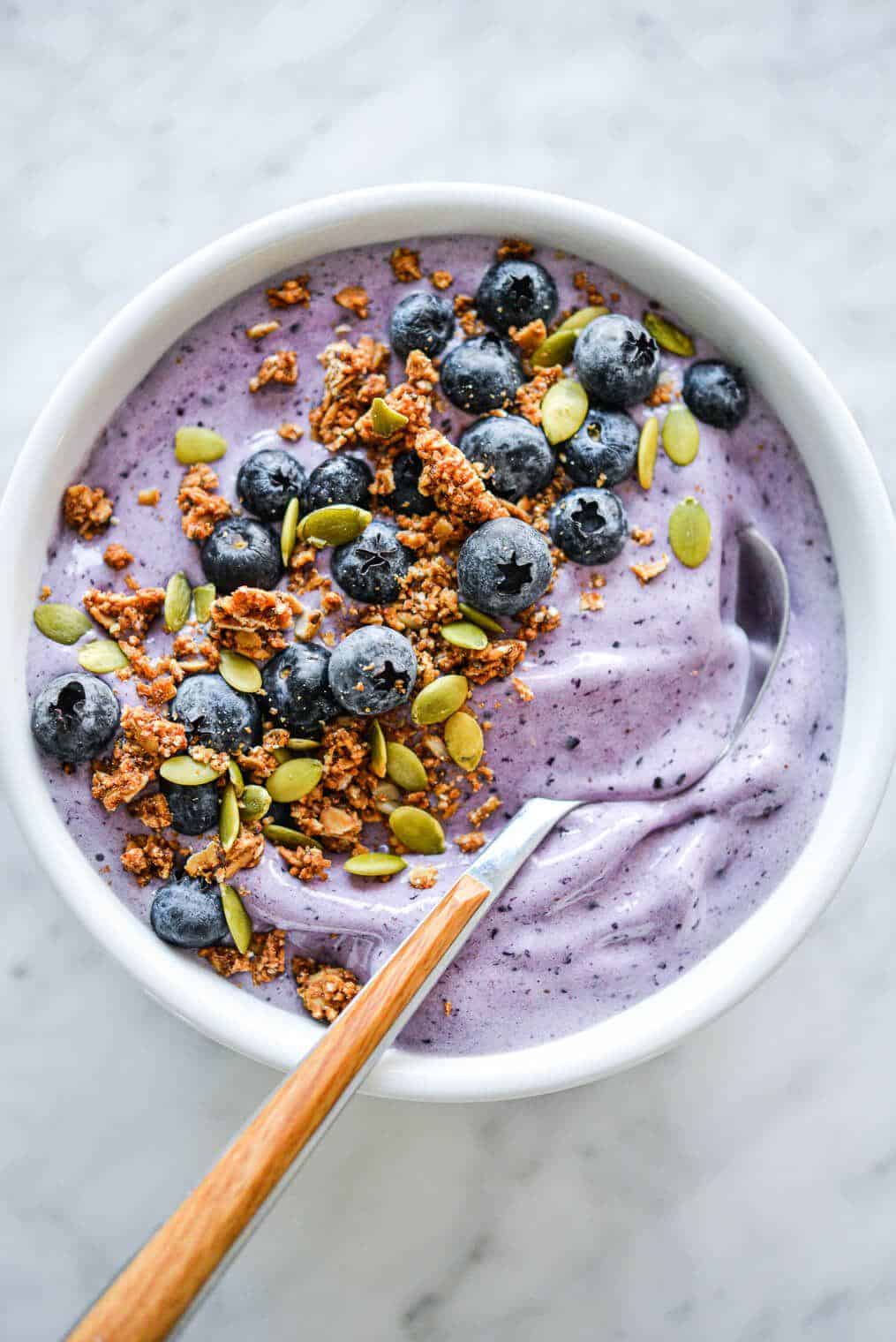
A blueberry smoothie bowl creates a thicker consistency than regular smoothies, making it suitable for breakfast or more filling snacks. Frozen fruit helps maintain texture without excessive ice, while Greek yoghurt adds protein and creaminess. The combination also creates a more balanced smoothie bowl that feels satisfying without becoming overly heavy. Using frozen blueberries and bananas improves consistency naturally, while toppings like granola or chia seeds add texture and fibre. This smoothie bowl works particularly well for quick breakfasts because it can be prepared with simple ingredients in just a few minutes.
Ingredients:
- 1 cup frozen blueberries
- 1 frozen banana
- 1/2 cup almond milk
- 1/2 cup Greek yoghurt
Optional Toppings:
- 2 tablespoons granola
- Fresh blueberries
- 1 tablespoon coconut flakes
- 1 teaspoon chia seeds
Recipe:
- Add almond milk and Greek yoghurt to the blender
- Add frozen blueberries and a banana
- Blend until thick and smooth
- Pour into a bowl and add toppings before serving
Best For:
- Breakfast smoothie bowls
- Higher-fibre breakfasts
- Thick smoothie textures
This smoothie bowl combines frozen fruit and yoghurt to create a thicker consistency while maintaining balanced sweetness. You can also try this strawberry banana smoothie recipe for another simple fruit smoothie option.
2. Berry, Chia, and Mint Smoothie
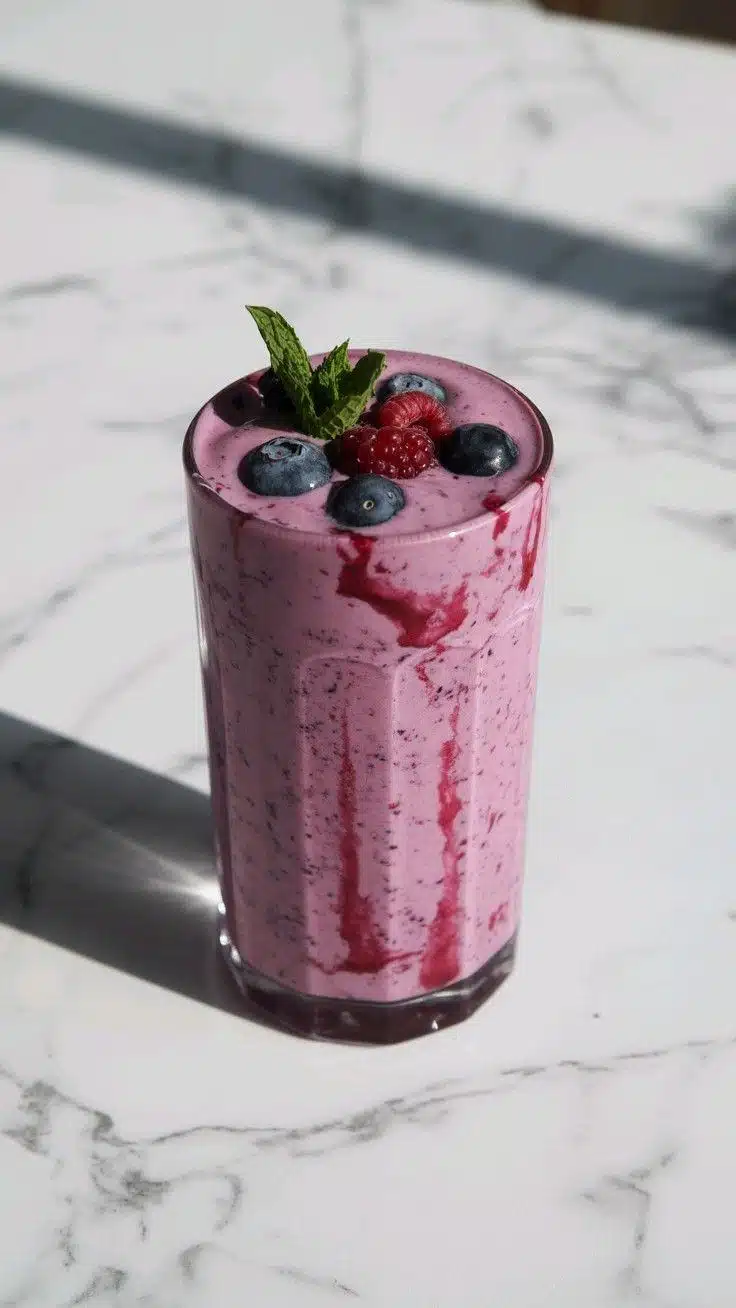
This smoothie combines mixed berries with mint and chia seeds to create a lighter fruit smoothie with added fibre and healthy fats. Coconut water keeps the texture refreshing without making the smoothie too heavy. The berries provide natural sweetness, while chia seeds improve texture and help the smoothie feel more balanced. Fresh mint also adds a cooling flavour that works particularly well in lighter smoothies prepared for hydration or quick snacks.
Ingredients:
- 1 cup mixed berries
- 5–6 fresh mint leaves
- 1 tablespoon chia seeds
- 3/4 cup coconut water
Recipe:
- Add all ingredients to a blender
- Blend until smooth
- Adjust consistency if required
- Serve immediately
Best For:
- Light snacks
- Hydration smoothies
- Fibre-rich fruit smoothies
This smoothie combines fruit, fibre, and refreshing ingredients to create a lighter everyday blend. You can also explore this peach melba smoothie recipe for another fruit-based smoothie variation.
3. Green Pineapple Coconut Smoothie
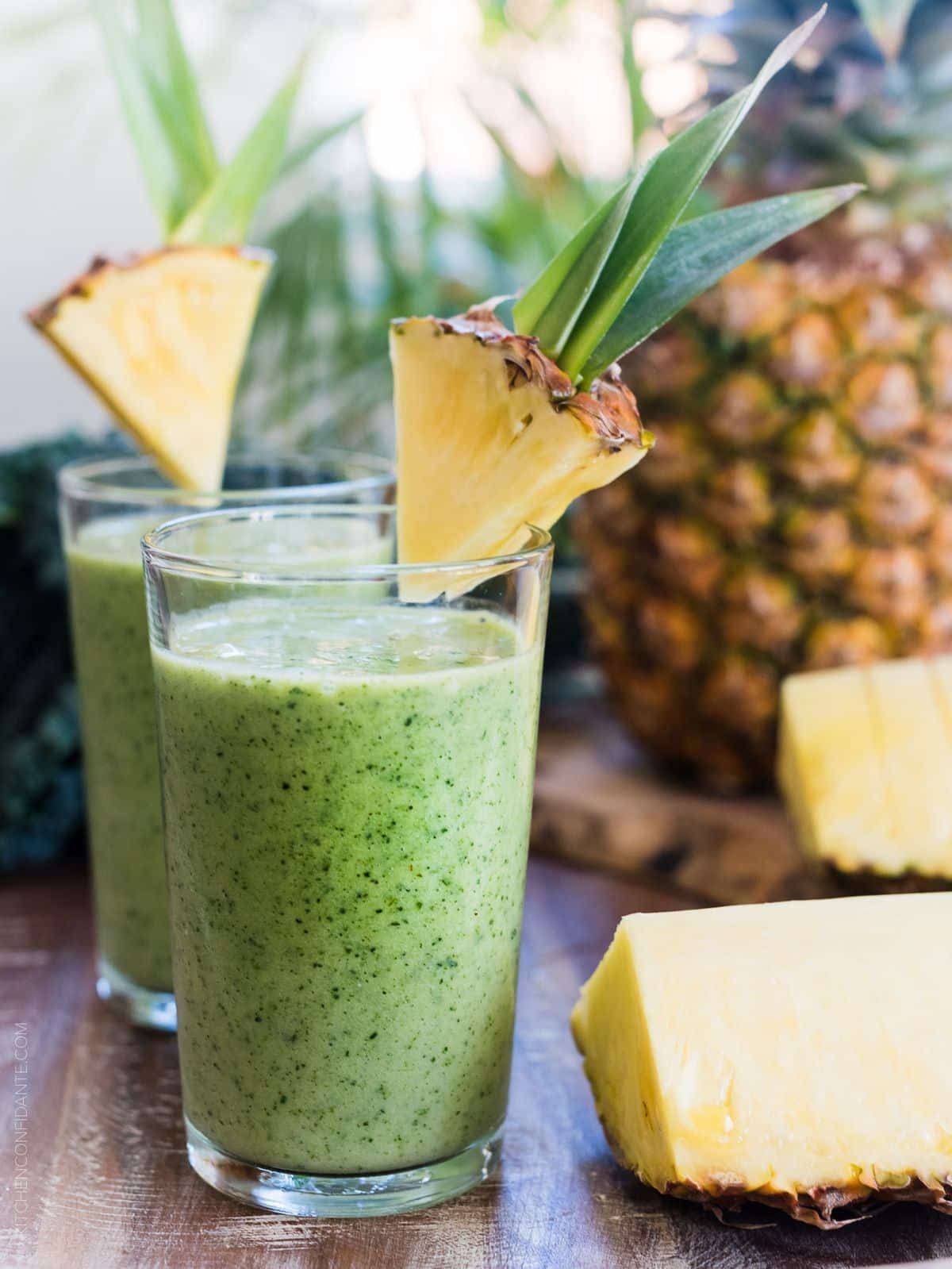
This smoothie combines pineapple, spinach, and coconut milk to create a tropical flavour while adding leafy greens without strong bitterness. Frozen banana improves thickness and creates smoother consistency, making the drink more balanced without needing additional sweeteners. Pineapple and lime juice also help brighten the flavour, while coconut milk adds creamier texture that works well in breakfast smoothies or lighter tropical blends.
Ingredients:
- 1 cup baby spinach
- 1 cup pineapple chunks
- 3/4 cup coconut milk
- 1 frozen banana
- 1 tablespoon lime juice
Recipe:
- Add all ingredients to a blender
- Blend until smooth
- Add extra coconut milk if the smoothie feels too thick
- Serve chilled
Best For:
- Beginner green smoothies
- Tropical smoothie recipes
- Breakfast smoothies
This smoothie balances tropical fruit flavours with leafy greens while maintaining smoother texture and lighter consistency.
4. Peanut Butter Banana Smoothie
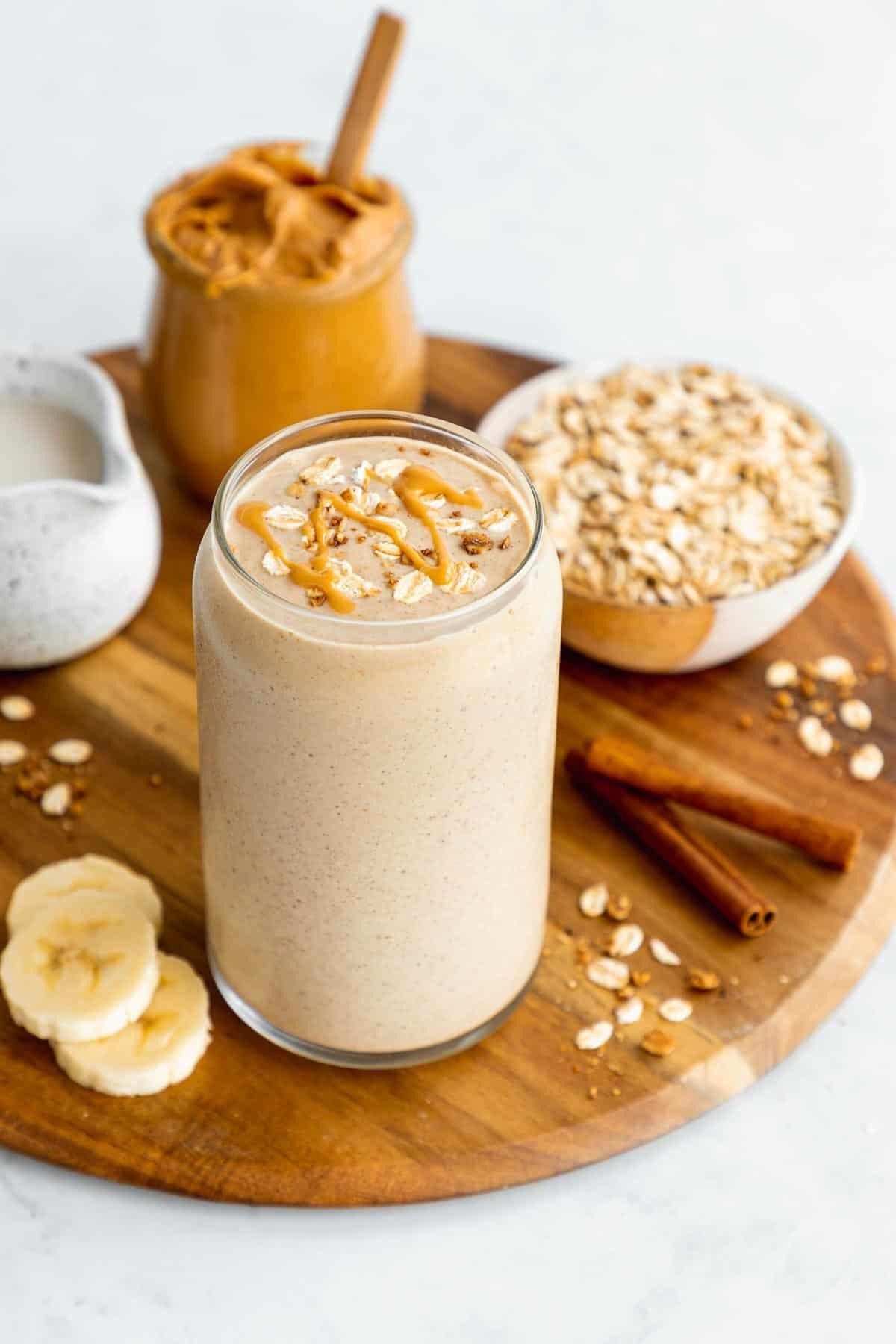
This smoothie combines banana and peanut butter to create a thicker, protein-rich drink with balanced sweetness and creamy texture. Greek yoghurt improves consistency while adding extra protein, making the smoothie more filling than fruit-only blends. The combination also works well for breakfast or post-workout drinks because it provides a smoother texture with balanced flavour and longer satiety.
Ingredients:
- 1 banana
- 1 tablespoon peanut butter
- 3/4 cup milk or almond milk
- 1/2 cup Greek yoghurt
- 4–5 ice cubes
Recipe:
- Add all ingredients to a blender
- Blend until smooth and creamy
- Adjust consistency with extra milk if required
- Serve immediately
Best For:
- Breakfast smoothies
- Protein smoothies
- Post-workout drinks
This smoothie combines protein, healthy fats, and fruit to create a more filling blend with smooth consistency and balanced sweetness.
5. Coconut Matcha Shake
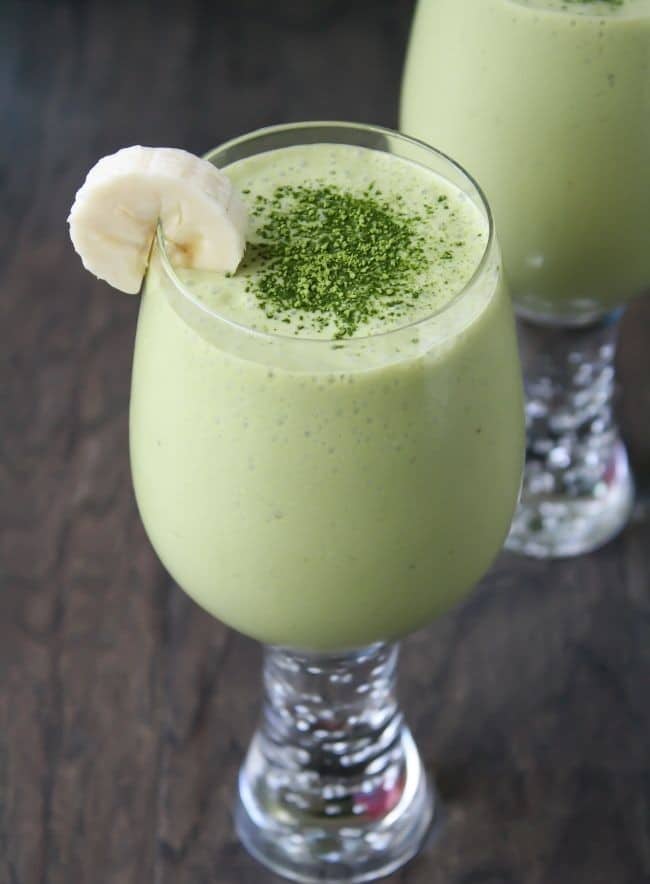
This smoothie combines matcha powder with coconut milk to create a creamy drink with mild caffeine and earthy flavour. Frozen banana improves texture naturally, while protein powder helps the smoothie feel more filling and balanced. Maple syrup softens the stronger matcha flavour without overpowering the drink, making this smoothie suitable for mornings or lighter energy-focused recipes.
Ingredients:
- 1 teaspoon matcha powder
- 3/4 cup coconut milk
- 1 scoop protein powder
- 1 teaspoon maple syrup
- 1 frozen banana
Recipe:
- Add all ingredients to a blender
- Blend until smooth
- Adjust the sweetness if required
- Serve chilled
Best For:
- Morning smoothies
- Energy smoothies
- Protein-rich drinks
This smoothie combines matcha and coconut milk to create a balanced drink with smoother texture and mild natural sweetness.
6. Cranberry Banana Smoothie
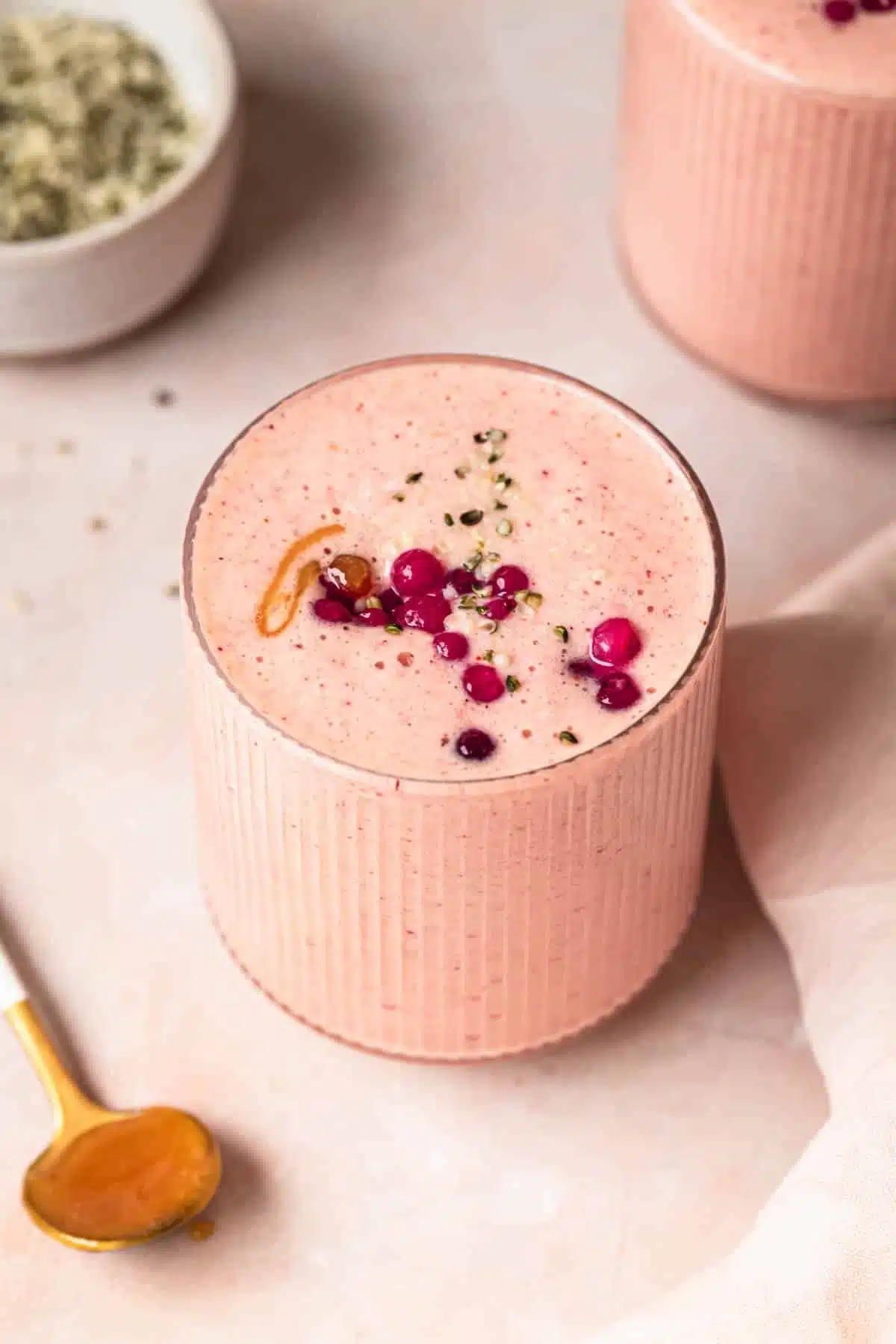
This smoothie combines frozen cranberries with banana to balance tart and sweet flavours while creating a thicker consistency. Banana improves texture naturally, while almond milk keeps the smoothie lighter without overpowering the fruit flavour. Maple syrup can add mild sweetness if required, and peanut butter works well as an optional addition for extra protein and creaminess.
Ingredients:
- 1 cup frozen cranberries
- 1 frozen banana
- 3/4 cup almond milk
- 1 teaspoon maple syrup
Optional Add-In:
- 1 tablespoon peanut butter
Recipe:
- Add all ingredients to a blender
- Blend until smooth
- Adjust sweetness or consistency if needed
- Serve immediately
Best For:
- Fruit smoothies
- Breakfast smoothies
- Fibre-rich drinks
This smoothie combines tart berries and creamy banana to create a balanced flavour with a thicker texture and natural sweetness.
7. Apple Crisp Smoothie
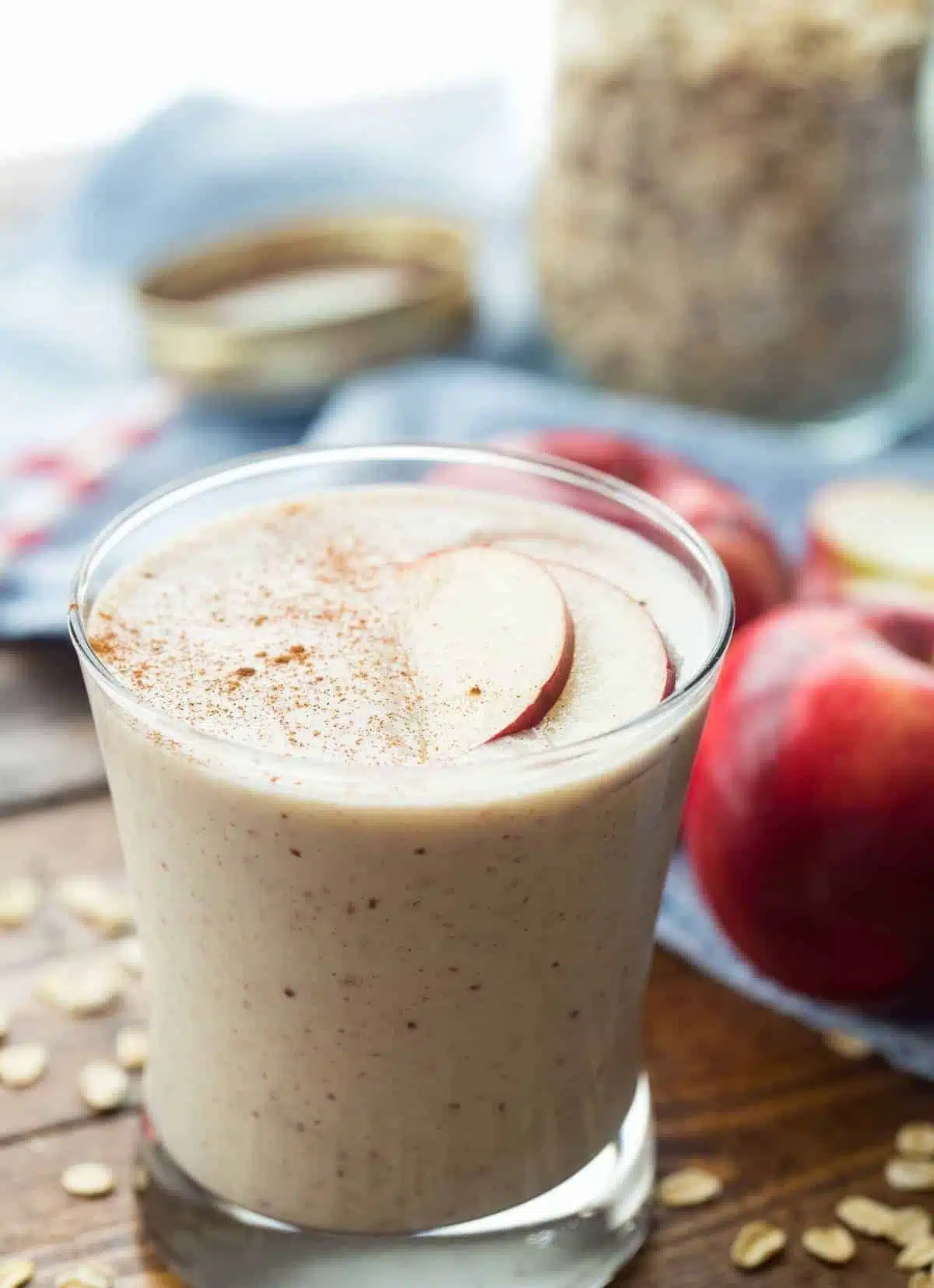
This smoothie combines apples, cinnamon, and protein-rich ingredients to create a thicker breakfast smoothie with dessert-inspired flavour. Greek yoghurt or cottage cheese improves texture while increasing protein content, while apple cider adds a stronger fruit flavour without excessive sweetness. Cinnamon also helps create a warmer flavour profile that works particularly well in breakfast smoothies.
Ingredients:
- 1 apple, chopped
- 1/2 cup Greek yoghurt or cottage cheese
- 1/2 cup apple cider
- 1/2 teaspoon cinnamon
- 1 teaspoon maple syrup
- 1 scoop protein powder
Recipe:
- Add all ingredients to a blender
- Blend until smooth and creamy
- Adjust thickness with additional milk or ice if required
- Serve chilled
Best For:
- Breakfast smoothies
- Protein smoothies
- Fall-inspired smoothie recipes
This smoothie combines apples, protein-rich ingredients, and warm spices to create a thicker blend with balanced sweetness and creamier texture.
8. Dragon Fruit, Hibiscus, Banana, and Coconut Smoothie
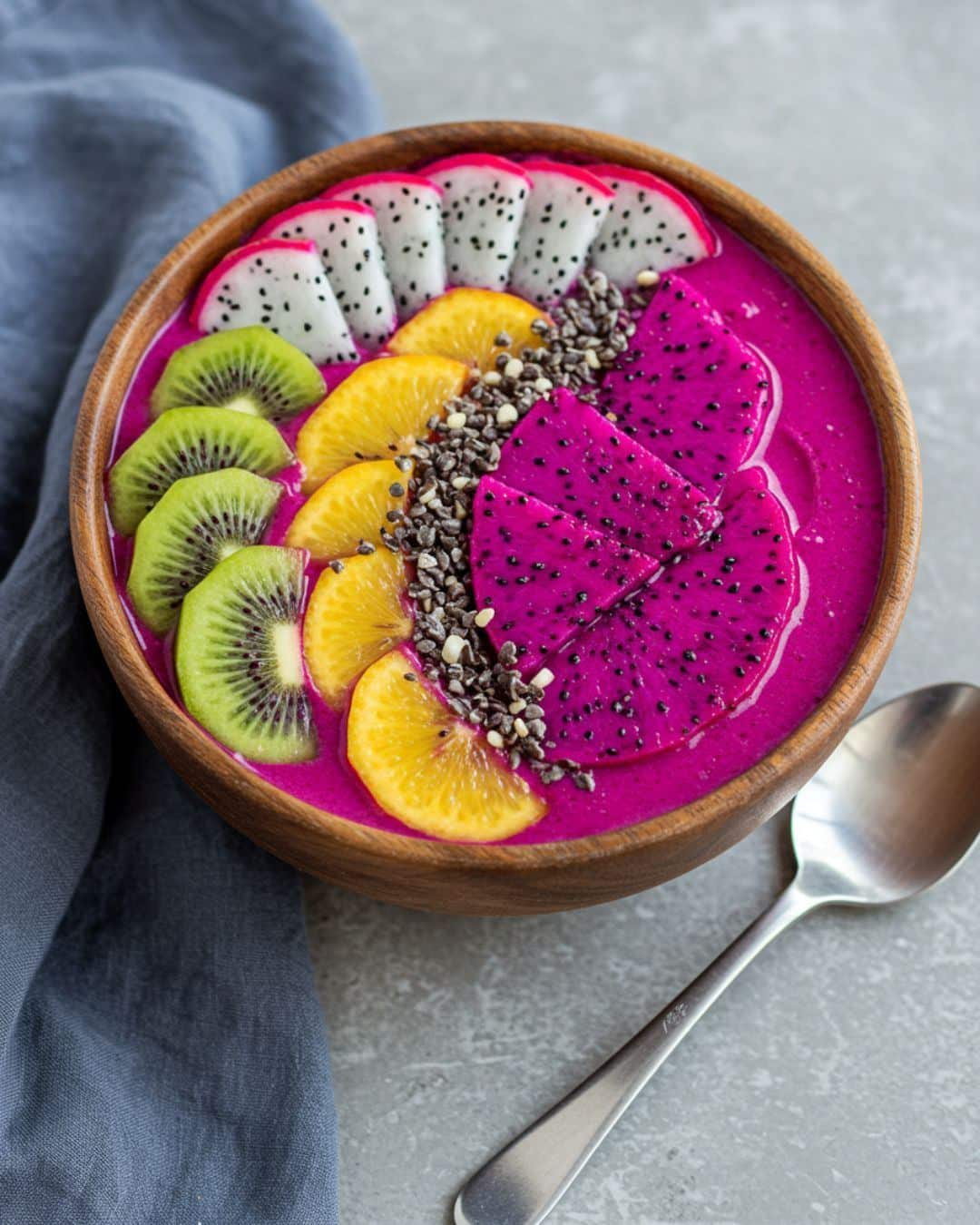
This smoothie combines dragon fruit, hibiscus tea, banana, and coconut water to create a lighter tropical blend with vibrant colour and balanced sweetness. Frozen banana improves consistency naturally, while hibiscus tea adds mild floral flavour without overpowering the fruit. Coconut water also keeps the smoothie refreshing and lighter compared to milk-based smoothie recipes.
Ingredients:
- 1 cup dragon fruit
- 1/2 cup chilled hibiscus tea
- 1 frozen banana
- 1/2 cup coconut water
Recipe:
- Add all ingredients to a blender
- Blend until smooth
- Add extra coconut water if needed
- Serve chilled
Best For:
- Tropical smoothies
- Hydration smoothies
- Refreshing fruit blends
This smoothie combines tropical fruit and coconut water to create a lighter blend with refreshing flavour and smoother consistency.
9. Green Kiwi Smoothie
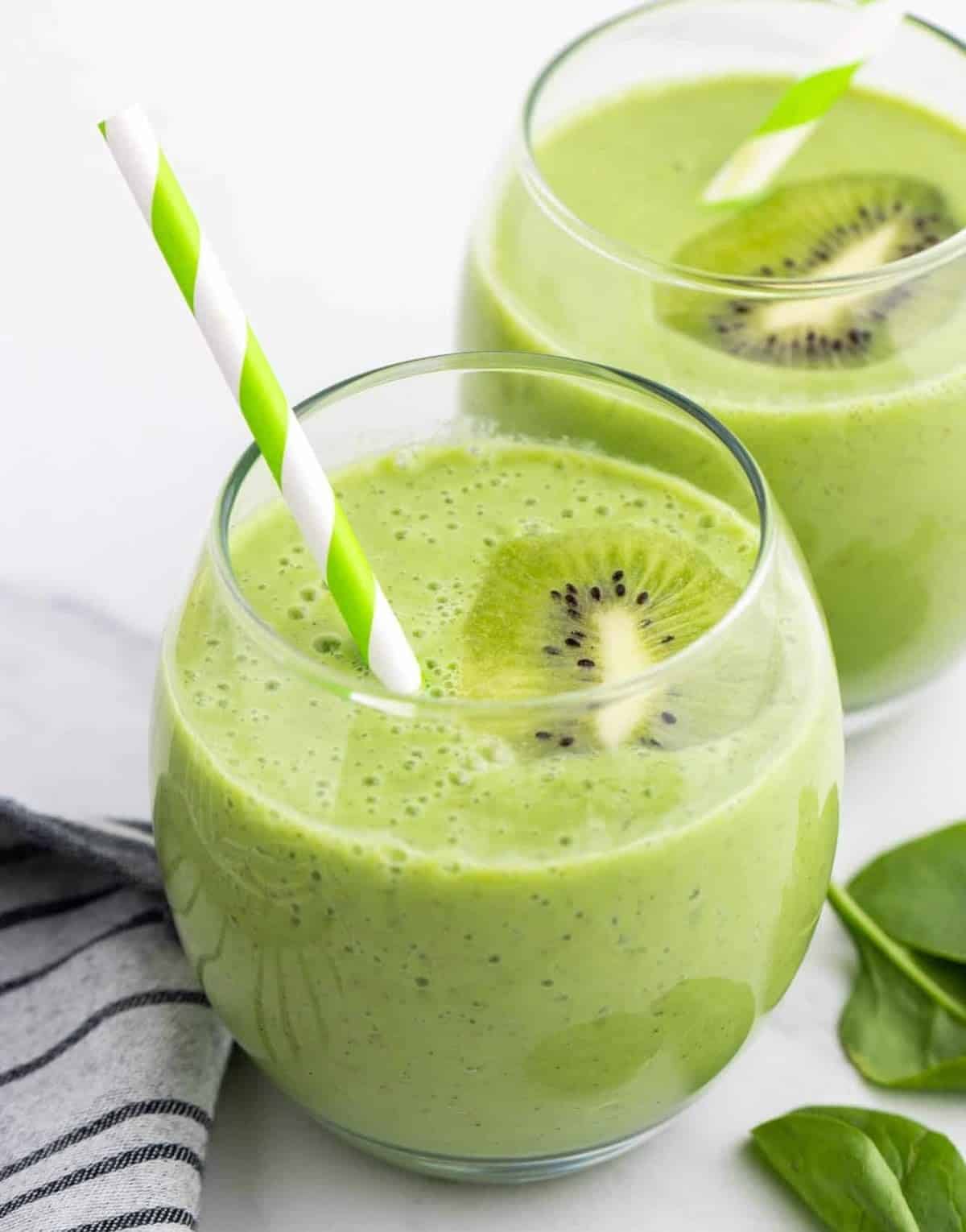
This smoothie combines kiwi, spinach, and avocado to create a lighter green smoothie with balanced sweetness and smooth texture. Coconut water keeps the drink refreshing, while avocado improves creaminess without making the smoothie overly heavy. Frozen fruit also helps create a thicker consistency and balances the flavour of leafy greens naturally.
Ingredients:
- 2 kiwis, peeled
- 1 cup spinach
- 1/2 avocado
- 3/4 cup coconut water
- 1/2 cup frozen fruit
Recipe:
- Add all ingredients to a blender
- Blend until smooth
- Adjust consistency with additional coconut water if required
- Serve immediately
Best For:
- Green smoothies
- Hydration smoothies
- Breakfast drinks
This smoothie combines leafy greens, fruit, and healthy fats to create a refreshing blend with smoother consistency and balanced flavour.
10. Creamy Orange Turmeric Smoothie
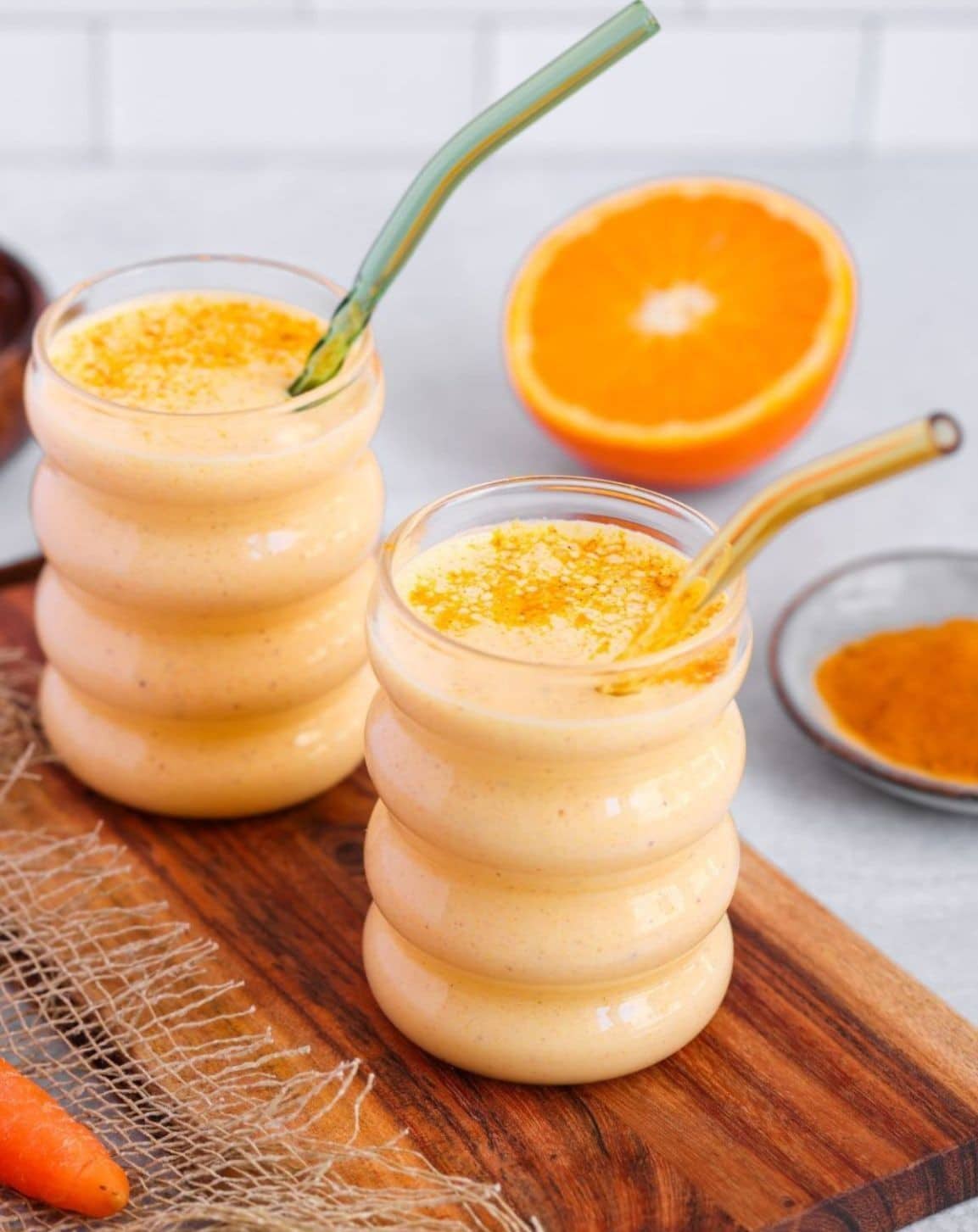
This smoothie combines orange and turmeric with yoghurt or kefir to create a creamy citrus blend with balanced sweetness. Frozen mango or banana improves texture naturally, while almond milk keeps the consistency smooth without making the drink too heavy. Turmeric also adds earthy flavour and vibrant colour that pairs well with citrus ingredients.
Ingredients:
- 1 orange, peeled
- 1/2 teaspoon turmeric
- 1/2 cup kefir or yoghurt
- 1/2 cup frozen mango or banana
- 1/2 cup almond milk
Recipe:
- Add all ingredients to a blender
- Blend until smooth
- Adjust thickness with additional almond milk if required
- Serve chilled
Best For:
- Breakfast smoothies
- Citrus smoothies
- Creamy fruit blends
This smoothie combines citrus fruit and creamy ingredients to create a balanced flavour with a smoother texture and natural sweetness.
11. Green Goddess Smoothie
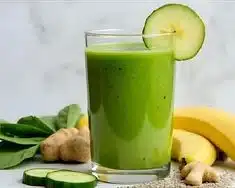
This smoothie combines spinach, cucumber, avocado, and citrus juice to create a nutrient-dense green smoothie with smooth texture and balanced flavour. Kefir improves creaminess, while mint keeps the blend refreshing without overpowering the greens. Avocado also adds healthy fats, making the smoothie feel more balanced and filling.
Ingredients:
- 1 cup spinach
- 1/2 cucumber, chopped
- 1/2 avocado
- 1/2 cup orange juice
- 1/2 cup kefir
- 5–6 fresh mint leaves
Optional Add-Ins:
- 1 tablespoon hemp seeds
- 1 tablespoon almond butter
Recipe:
- Add all ingredients to a blender
- Blend until smooth
- Adjust consistency if required
- Serve immediately
Best For:
- Green smoothies
- Breakfast smoothies
- Nutrient-rich drinks
This smoothie combines leafy greens, citrus, and healthy fats to create a balanced drink with creamy texture and refreshing flavour.
12. Spiced Blueberry Smoothie Bowl
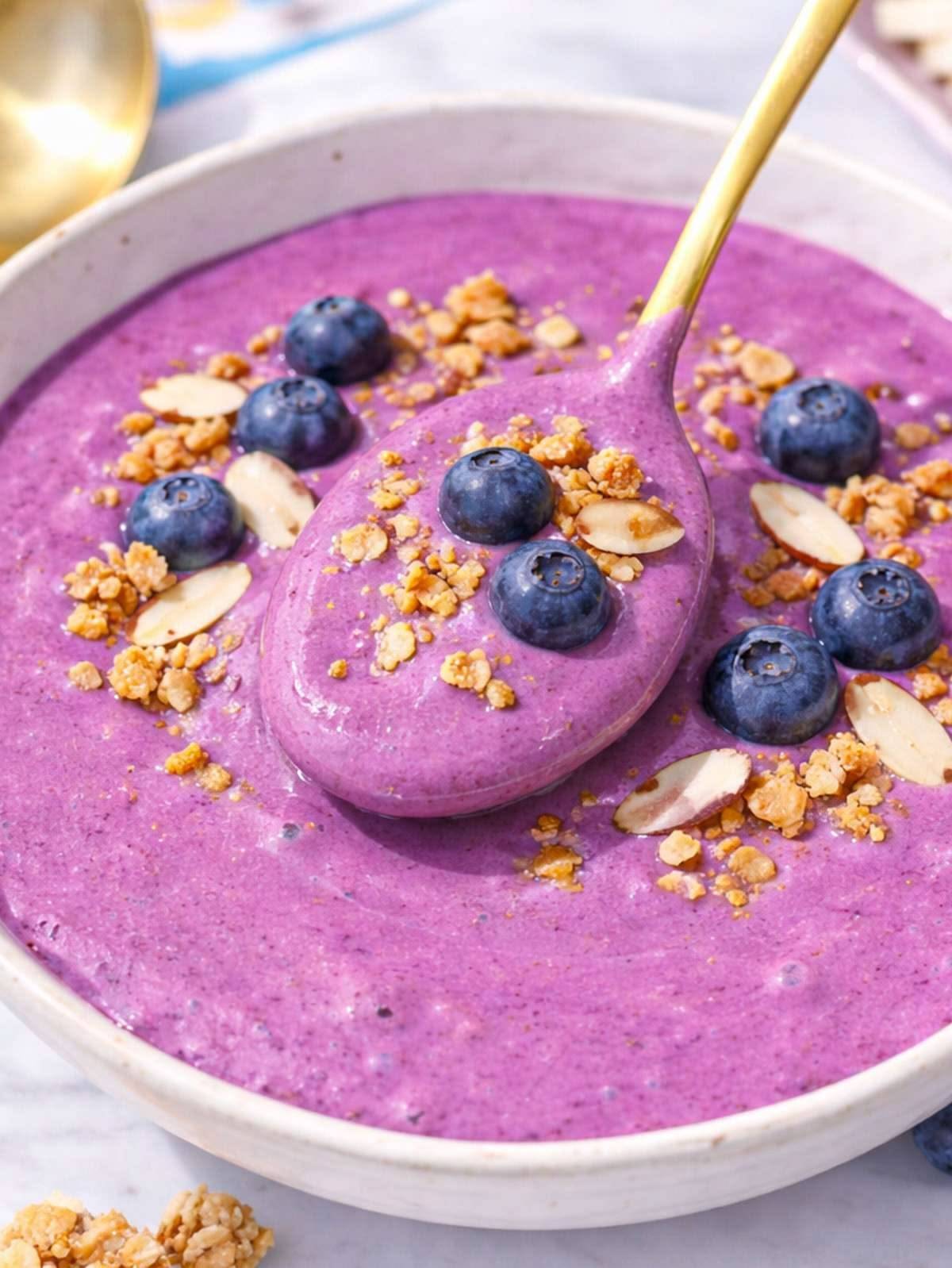
This smoothie bowl combines blueberries, warming spices, and Greek yoghurt to create a thicker breakfast option with balanced sweetness and creamier texture. Frozen cauliflower increases thickness without strongly affecting flavour, while cinnamon and ginger add a warmer flavour balance that works particularly well in breakfast smoothie bowls.
Ingredients:
- 1 cup frozen blueberries
- 1/2 cup frozen cauliflower
- 1/2 cup Greek yoghurt
- 1/2 teaspoon cinnamon
- 1/4 teaspoon ginger
Recipe:
- Add all ingredients to a blender
- Blend until thick and smooth
- Add small amounts of liquid if needed
- Pour into a bowl and add toppings if desired
Best For:
- Smoothie bowls
- Fibre-rich breakfasts
- Thick smoothie recipes
This smoothie bowl combines frozen fruit and spices to create a thicker consistency with balanced sweetness and a creamier texture.
13. ‘Green Machine’ Smoothie
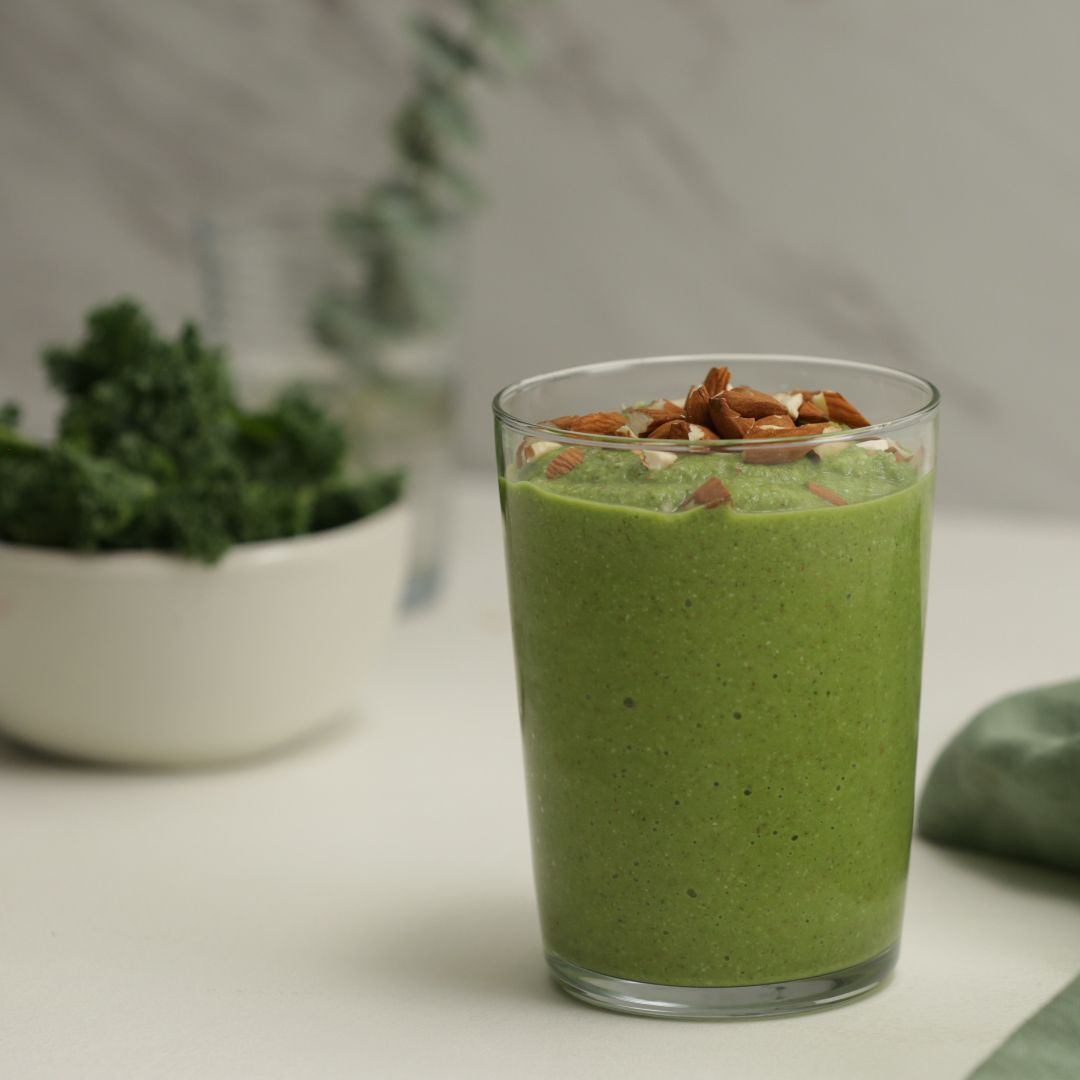
This smoothie combines leafy greens, frozen fruit, and coconut yoghurt to create a dairy-free blend with a smooth texture and balanced sweetness. Coconut yoghurt adds creaminess and probiotic content, while frozen fruit helps improve consistency naturally without relying on excessive sweeteners. Optional seeds or protein powder can also make the smoothie more filling and nutritionally balanced.
Ingredients:
- 1/2 cup coconut yoghurt
- 1 cup leafy greens
- 1 cup frozen fruit
Optional Add-Ins:
- 1 scoop protein powder
- 1 tablespoon chia seeds
- 1 tablespoon flaxseeds
Recipe:
- Add all ingredients to a blender
- Blend until smooth
- Adjust consistency with additional liquid if required
- Serve chilled
Best For:
- Dairy-free smoothies
- Green smoothies
- Breakfast drinks
This smoothie combines leafy greens and coconut yoghurt to create a dairy-free blend with smoother consistency and balanced flavour. You can also explore more juice and smoothie recipes for additional homemade drink combinations and smoothie ideas.
14. Pineapple-Cucumber Smoothie
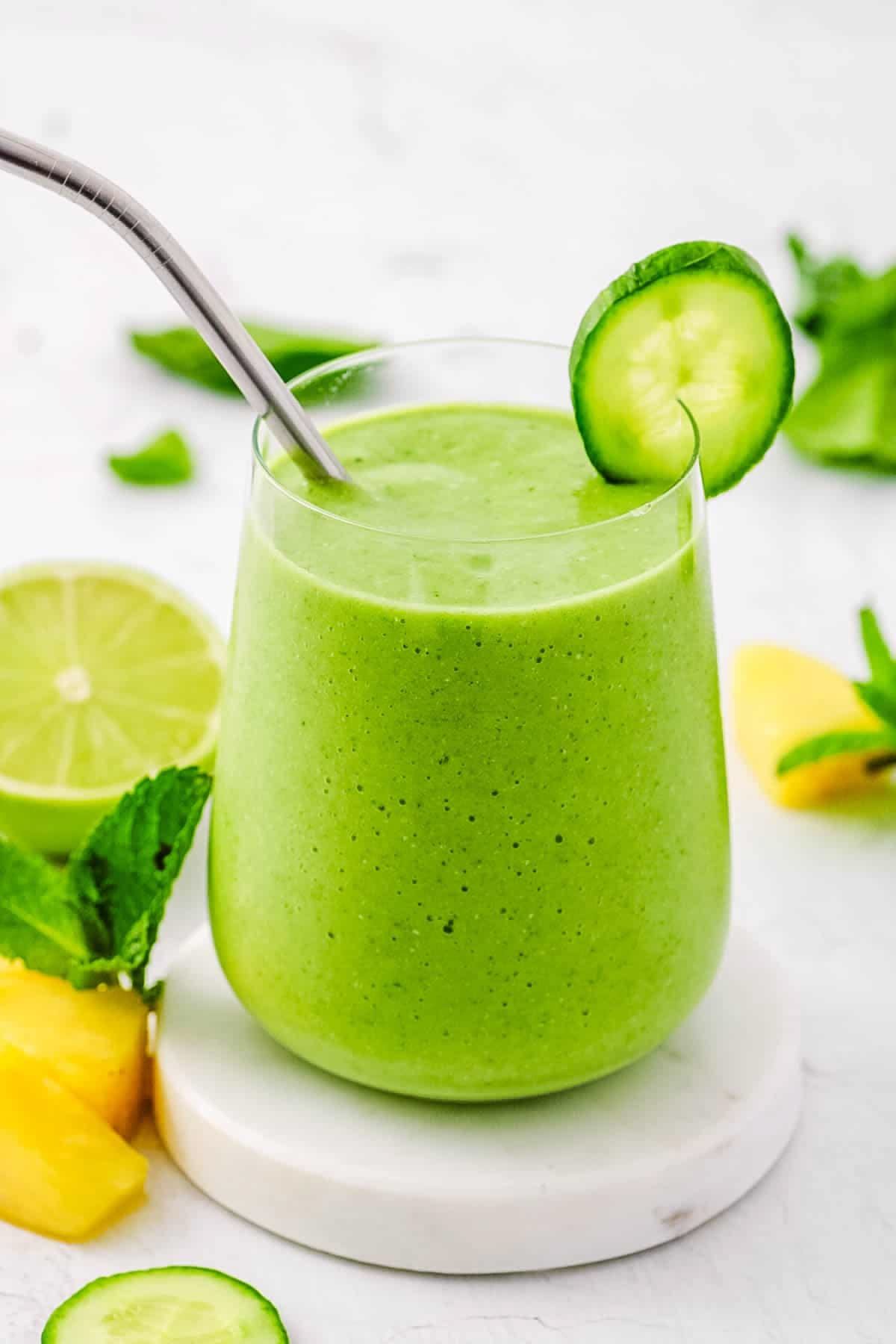
This smoothie combines pineapple and cucumber to create a lighter drink with refreshing flavour and high water content. Coconut water keeps the texture smooth, while frozen fruit or ice can improve thickness without making the smoothie overly heavy. The combination also works well for hydration-focused smoothies because the ingredients create a cleaner and more refreshing flavour profile.
Ingredients:
- 1 cup pineapple chunks
- 1/2 cucumber, chopped
- 3/4 cup coconut water
Recipe:
- Add all ingredients to a blender
- Blend until smooth
- Add frozen fruit or ice for a thicker consistency if preferred
- Serve chilled
Best For:
- Hydration smoothies
- Summer smoothies
- Light fruit blends
This smoothie combines tropical fruit and hydrating ingredients to create a lighter blend with refreshing flavour and smoother consistency.
15. Avocado-Spinach Green Smoothie
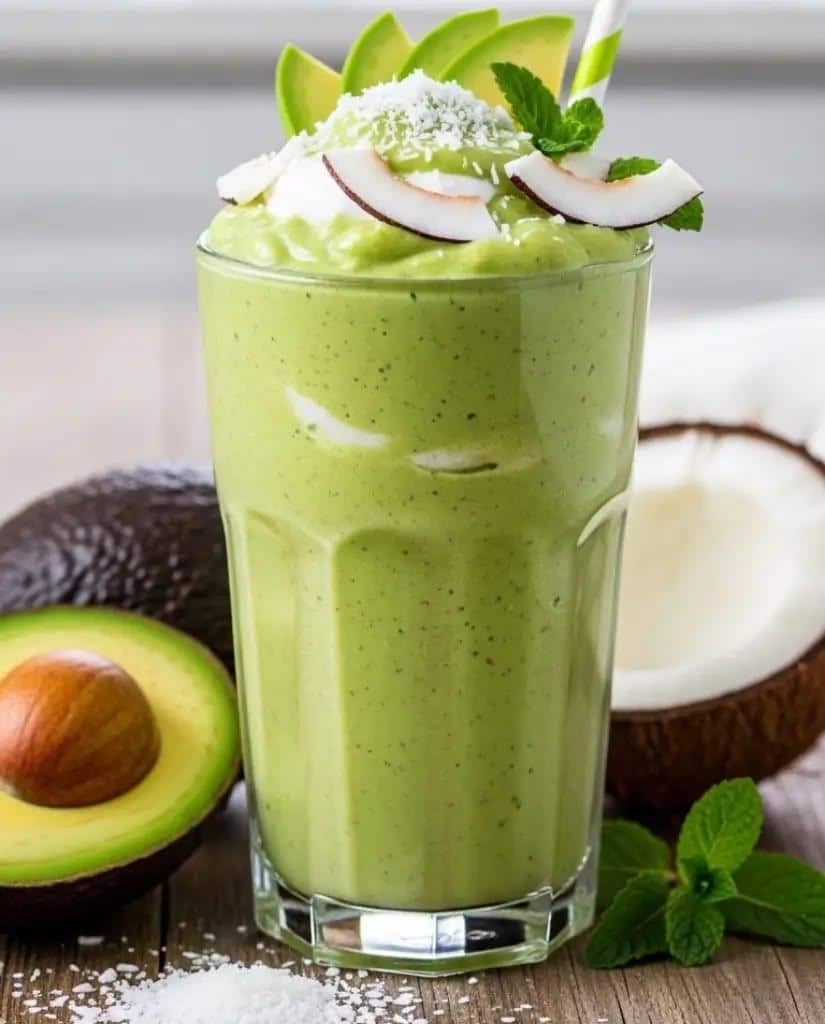
This smoothie combines avocado, spinach, kefir, and frozen fruit to create a thicker green smoothie with balanced flavour and creamy texture. Avocado adds healthy fats that make the smoothie more filling, while frozen grapes and cucumber improve consistency without excessive sweetness. Lemon and ginger also help brighten the flavour, creating a fresher and more balanced green smoothie.
Ingredients:
- 1/2 avocado
- 1 cup spinach
- 1/2 cup kefir
- 1 tablespoon lemon juice
- 1/2 teaspoon ginger
- 1 tablespoon cilantro
- 1/2 cup frozen cucumber
- 1/2 cup frozen grapes
- 1/2 cup almond milk
Recipe:
- Add all ingredients to a blender
- Blend until smooth and creamy
- Adjust consistency with additional almond milk if required
- Serve immediately
Best For:
- Green smoothies
- Healthy fat smoothies
- Creamy breakfast smoothies
This smoothie combines greens, healthy fats, and frozen fruit to create a creamier blend with balanced flavour and thicker consistency.
Trying different smoothie recipes makes it easier to experiment with flavours, textures, and nutritional combinations using simple ingredients. Adjusting fruits, liquids, protein sources, and healthy fats also helps create smoothies that suit different dietary goals, including breakfast, hydration, recovery, or weight management. You can also explore more homemade smoothie recipes to experiment with different fruits, greens, protein combinations, and smoothie styles
What Common Mistakes Ruin Homemade Smoothies?
Small ingredient and blending mistakes can quickly affect smoothie texture, flavour, and nutritional balance. Most smoothie problems happen because the liquid ratio, ingredient combinations, or blending process are not adjusted properly.
One of the most common issues is watery texture, usually caused by adding too much liquid or using excessive ice instead of frozen fruit. Smoothies can also become overly thick when too many frozen ingredients are blended without enough liquid. Flavour balance is another common problem, especially when unripe fruit, excessive greens, or too many competing ingredients are combined.
Some common smoothie mistakes include:
- Adding too much liquid at once
- Using excessive frozen ingredients
- Adding too many flavours together
- Relying heavily on added sweeteners
- Using unripe fruit
- Overloading smoothies with greens without balancing sweetness
To improve smoothie texture and flavour:
- Add liquids gradually during blending
- Use frozen fruit instead of excessive ice
- Pair leafy greens with sweeter fruits like bananas or mangoes
- Keep ingredient combinations simple and balanced
- Use ripe fruit for natural sweetness
- Add small amounts of lemon or lime juice to brighten the flavour
Making smaller adjustments gradually usually creates smoother consistency and better flavour balance than changing multiple ingredients at once.
Conclusion
Making smoothies at home gives you better control over ingredients, texture, flavour, and nutritional balance compared to many ready-made options. Choosing the right combination of fruits, liquids, protein sources, and healthy fats also helps create smoothies that support different goals, including breakfast, recovery, hydration, or weight management.
Small adjustments such as using frozen fruit, balancing liquid ratios, and limiting added sugars can improve both consistency and flavour significantly. Starting with simple recipes and experimenting with different ingredient combinations makes it easier to create homemade smoothies that match your preferences and daily nutritional needs.
Frequently Asked Questions
What are the basic steps for making a smoothie at home?
Making a smoothie at home usually involves adding a liquid base, fruits or vegetables, and optional protein or healthy fats like fruit juice to a blender. Blend until smooth, then adjust the consistency with extra liquid or frozen ingredients if needed. Knowing the best time to drink a smoothie can enhance its benefits.
How do I avoid making smoothies that are too watery or bland?
Use frozen fruit instead of excessive liquid or ice to improve texture and flavour. Balancing sweet fruits with greens, protein, or healthy fats also helps prevent bland smoothies while creating better consistency.
How to Make Smoothies at Home?
Making smoothies at home involves blending a liquid base with fruits, vegetables, and optional protein or healthy fats for your next smoothie, following a few simple steps. Adjust the consistency with extra liquid or frozen fruit until the smoothie reaches your preferred texture.
Can smoothie juice be healthy for daily consumption?
Smoothie juice can be healthy when it contains whole fruits, such as passion fruit, vegetables, protein, and fibre instead of excessive sweeteners or syrups. Using balanced ingredients helps create more filling and nutritionally complete smoothies.
Which ingredients make the best fruit smoothies?
Good fruit smoothies usually combine bananas, berries, mangoes, or pineapple with milk, yoghurt, or coconut water. Adding protein or healthy fats can also improve texture and nutritional balance.
What are the best smoothie recipes for weight loss?
The best smoothie recipes for weight loss often include spinach, berries, protein powder, chia seeds, and unsweetened liquids. These ingredients help improve satiety while keeping sugar and calorie content more controlled.
How do I avoid making smoothies that are too watery or bland?
Use frozen fruit instead of excessive liquid to improve thickness and flavour. Balancing fruits with ingredients like yoghurt, nut butter, or greens also helps create smoothies with a splash of liquid for better texture and to ensure they have the right consistency and more balanced taste.
Are there tips for making smoothies at home without a fancy blender?
Yes, softer ingredients like bananas, berries, yoghurt, and oats blend more easily in regular blenders. Cutting fruits into smaller pieces and adding liquids first also helps create smoother homemade smoothies.