A port day food crawl lets you sample a city’s character without committing most of your limited time to one long meal. The best routes combine a few carefully chosen specialties, short walks and enough flexibility for an unexpected bakery or busy market stall.
Start planning before your ship arrives, but leave room for discoveries. Opening hours, luggage and the return trip to the pier all affect how much you can comfortably fit into the day. A practical schedule will help you enjoy every stop without watching the clock through lunch.
Map Out Stalls and Local Eateries
Build your route around a compact neighborhood that has several promising food stops within a 10 to 15-minute walk. A market district often works well because it may offer bakeries, produce stalls and casual counters in one area. Check each business on its own website or social media page since map listings can show outdated hours, especially for independent vendors.
Choose one or two dishes that represent the destination, then add smaller bites for variety. In Seattle, for example, a crawl might include a warm pastry, a cup of chowder and a locally made sweet. Elsewhere, the anchors could be a regional breakfast, a market snack and a traditional dessert. This food crawl planning guide recommends limiting the route’s scope so the group can focus on tasting instead of crossing the city.
Save your stops in walking order and mark a backup beside each one. If your first lunch counter has a 40-minute line, you’ll already know where to go next. Look for places with counter service, takeaway windows or shared seating because they tend to suit a short port visit better than restaurants built around leisurely multi-course meals.
A food-focused city break also benefits from planning around neighborhoods instead of chasing famous dishes across distant districts. Apply the same principle to your shorter visit and you’ll spend more time eating.
Drop Heavy Bags Before You Dine
Store your luggage before the first tasting stop if you’re arriving early for embarkation, leaving after disembarkation or passing through the port between connections. Pulling a suitcase through a crowded market makes narrow aisles difficult to manage, and some small eateries have little space beneath tables. Free hands also make it easier to carry a drink, split a pastry or photograph a dish.
Reserve storage near your planned route and check its opening hours against your ship schedule. Travelers beginning a Seattle outing can look for luggage storage near Port of Seattle through a network of local partners offering short-term storage. Confirm the location, reservation details and collection deadline before leaving your bags.
Keep your port documents, identification, phone charger and any essential medication with you. A small crossbody bag or lightweight daypack should hold everything needed for the crawl without becoming awkward in a busy cafe. If rain is likely, include a compact umbrella and a reusable cover for anything that shouldn’t get wet.
Allow about 20 to 30 minutes for the storage stop, even when the handoff itself should be quick. That estimate covers finding the address, completing any required check-in and reorganizing what you’re carrying. Save the booking confirmation offline in case mobile service is weak inside a terminal or older building.
Dropping bags first may slightly change the ideal food route, so plot the storage point alongside your eateries. The cleanest plan forms a loop or a nearly straight line from the storage location through the dining neighborhood and back toward the pier.
Pace Your Tastings Across the Neighborhood
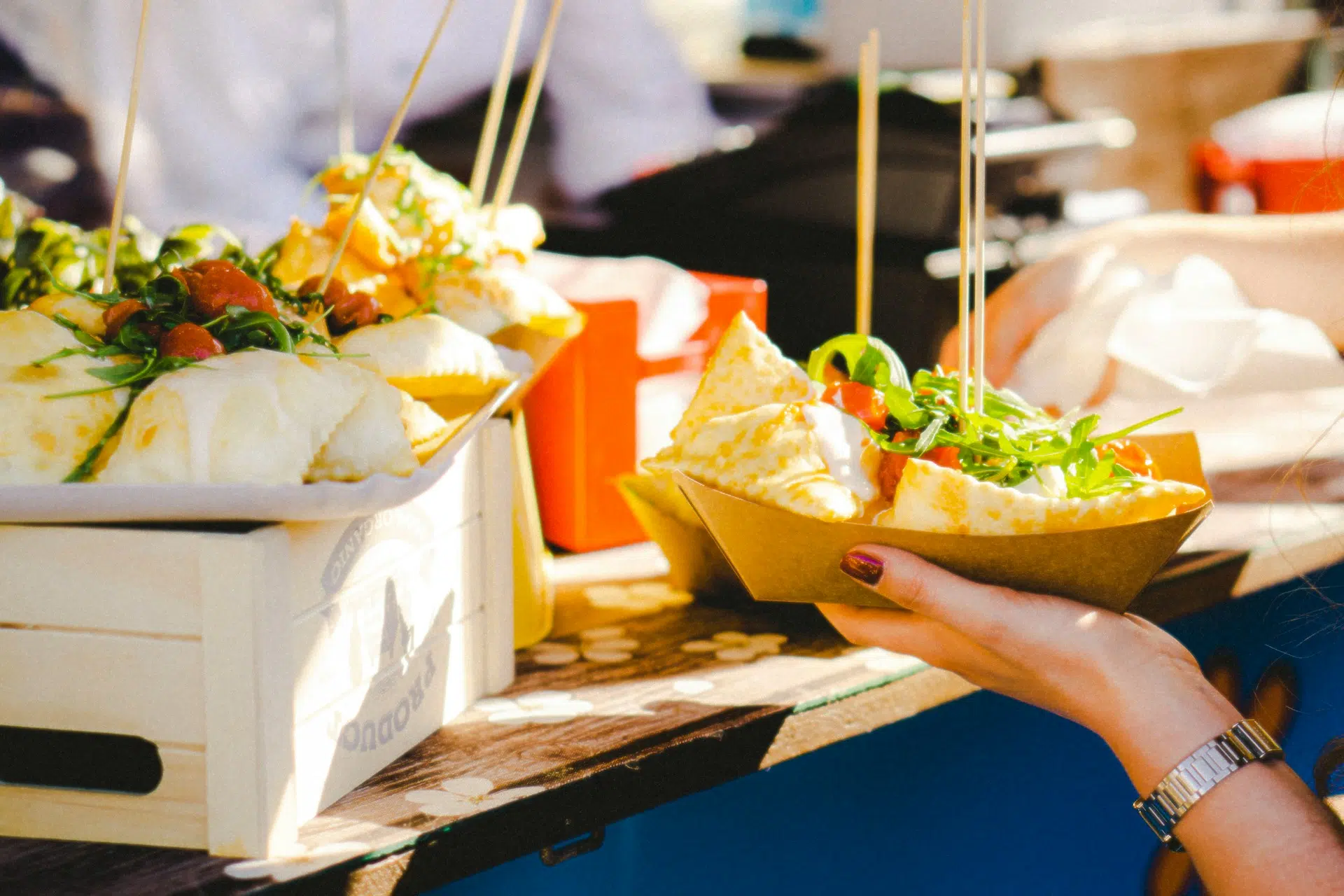
Treat each stop as a tasting, with portions shared whenever practical. A full entree at the first restaurant can bring the crawl to an early end. Two people could split one savory dish, order a single pastry at the next stop and finish with one small dessert each. Groups have even more room to sample widely without wasting food.
Most crawls feel comfortable with three to five stops across two or three hours. Leave at least 20 minutes per stop for ordering, eating and paying, then add walking time. A popular counter may need twice that long during lunch. The basic food crawl format can include street stands, cafes and restaurants, so there’s no need to make every booking the same style.
Alternate rich dishes with lighter flavors. Follow fried or creamy food with fruit, a broth-based dish or something fresh from a produce stall. Drink water throughout the route, particularly on warm days when you’re walking outdoors. Sitting down at every second stop also gives your feet a break and keeps the outing enjoyable.
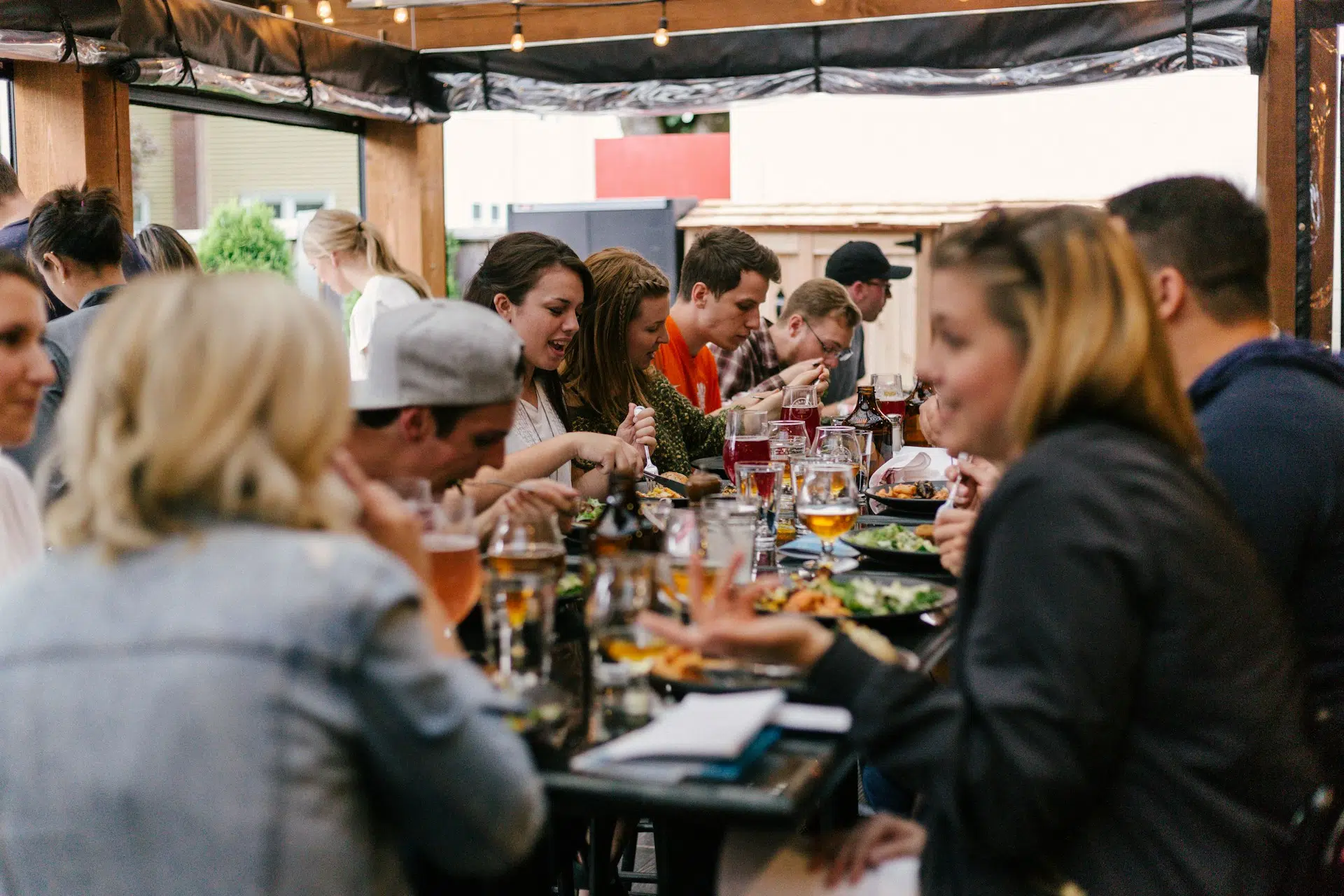
Outdoor tables can be especially useful when indoor dining rooms are crowded or your group wants a brief pause between market aisles. Check the weather, look for shade and choose food that will travel well if no table opens. These outdoor dining tips offer useful guidance for making open-air meals part of a travel schedule.
Pay as you go and track spending in a shared phone note if the group plans to divide costs later. Small purchases add up quickly, especially when service charges or local taxes aren’t shown on the menu board. Carrying a payment card plus a modest amount of local currency also helps at stalls with limited payment options.
Budget Realistic Transit Times to the Pier
Set a firm time to finish eating before you begin the crawl. Work backward from the ship’s required boarding time, using the official deadline from your cruise documents instead of the vessel’s departure time. Aim to reach the terminal well before that deadline, as security checks, port traffic and long pedestrian routes can all add delays.
Map the trip from your final food stop to the correct terminal, not simply to the port’s central map marker. Large ports may have several piers separated by busy roads or significant walking distances. Check the route at roughly the same time of day you expect to travel, then compare public transit, a taxi or rideshare and walking. Transit apps can provide useful estimates, but they can’t guarantee that a vehicle will arrive immediately.
Add a buffer of at least 30 to 60 minutes beyond the expected travel time. Increase it when the port is unfamiliar, more than one ship is in town or a major event could slow local traffic. For example, if the app estimates 20 minutes from your last stop to the terminal and you must be aboard by 4 p.m., ending the crawl around 2:30 p.m. gives you a much safer margin than ordering dessert at 3 p.m.
Choose the final tasting close to a direct route back. A bakery near a transit stop makes more sense than a restaurant that requires two transfers, even if the second place has stronger reviews. You can also buy a sturdy local treat to enjoy later, provided the ship permits you to bring it aboard.
Set two phone alerts: one for the final order and another for departure from the neighborhood. The first prevents “one more stop” from eating into your buffer, while the second signals that it’s time to collect stored luggage and head directly to the terminal.
Your last bite should leave enough time for an unhurried walk back, not a sprint with a takeaway box. Once the route, storage stop and return cutoff are saved on your phone, you can focus on the flavors that brought you into the neighborhood. A little preparation keeps the final hours of your visit relaxed, organized and free from unnecessary last-minute stress.
Image credits:
Photo by Priscilla Du Preez 🇨🇦 on Unsplash
Photo by frogses production on Unsplash