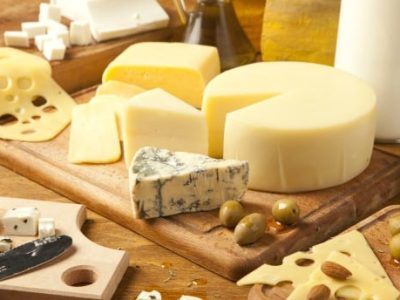
There is a particular kind of silence that falls over an Indian home the morning after a wedding or a Diwali party. It is the silence of someone standing in front of the fridge, staring at three kinds of mithai, a half-empty box of kaju katli, and last night’s leftover paneer butter masala, wondering where exactly things went wrong.
Nowhere, actually. You ate well. You ate a lot. And unless this becomes every single day, you are, in fact, fine.
Somewhere between your nani’s instinctive andaza (that eyeballed, never-measured sense of how much is enough) and the calorie-counting apps on your phone, the idea of moderation got complicated. It shouldn’t be. Moderation isn’t a diet. It isn’t a punishment for enjoying your food. It is simply eating like someone who plans to be around for the next meal too.
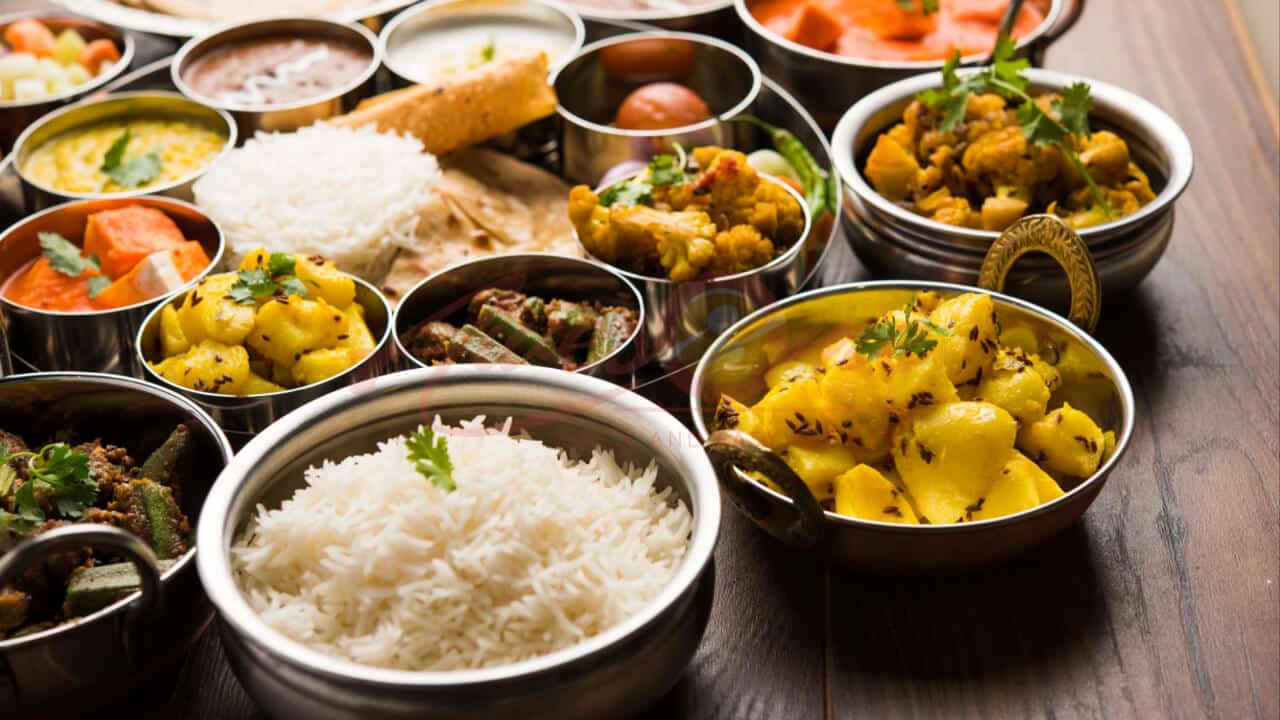
Table of Contents
Key Takeaways
- Moderation is about proportion and frequency, not deprivation. Mithai, fried snacks, and ghee all have a place; the question is how often and how much.
- ICMR-NIN’s 2024 dietary guidelines recommend filling half your plate with vegetables and fruit, and splitting the rest between cereals, pulses, and other protein.
- Salt should stay under 5 grams a day, and added sugar under 25 to 30 grams, according to India’s national dietary guidelines.
- Diet, not genetics, is the single biggest driver of lifestyle disease risk in India today.
- Festival food is rarely the real problem. What you eat on the other 360-odd days of the year is what actually shapes your health.
- Small, repeatable habits, like a katori-sized portion or one piece of sweet instead of three, hold up better over time than strict bans.
Health advice online has become a shouting match. One reel tells you sugar is basically poison, the next insists seed oils are ruining your hormones, and a third wants you to fast for sixteen hours to undo both. In the middle of all that noise, the oldest, dullest, most unglamorous piece of advice, eat in moderation, keeps getting drowned out. Which is a shame, because it is still the one that has actually held up.
56.4% of India’s total disease burden is linked to unhealthy diets. That makes everyday food choices a bigger factor in long-term health than most people assume, well ahead of any single genetic risk. Source: Journal of the Epidemiology Foundation of India, 2024, citing ICMR-NIN estimates
What Does Eating in Moderation Actually Mean?
Eating in moderation means consuming any food, healthy or indulgent, in a quantity and frequency that matches what your body actually needs, rather than avoiding it entirely or eating it without limit. It applies as much to dal and vegetables as it does to fried snacks and sweets.
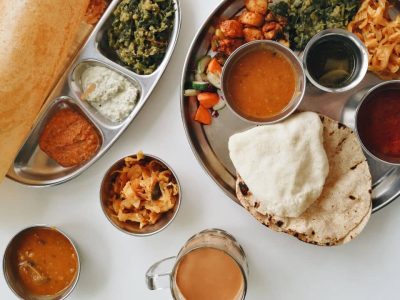
This is, more or less, what a traditional Indian thali was built to teach without ever saying it out loud. A thali gives every dish its own katori, its own small space, so that nothing dominates the plate and nothing gets left out. You get your dal, your sabzi, your curd, your pickle, and yes, your sweet, each in a portion sized for a single sitting rather than a single mood. Somewhere along the way, thalis became occasional restaurant novelties instead of an everyday portioning system, and moderation started to feel like a foreign concept instead of a plate you grew up eating off.
Moderation, in nutrition, means eating a food in an amount and at a frequency that fits your daily calorie and nutrient needs, without excluding it entirely or overindulging in it regularly.
What Should a Balanced Indian Plate Actually Look Like?
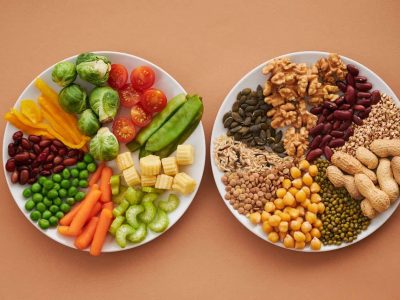
A balanced Indian plate gives half its space to vegetables and fruit, and splits the remaining half between cereals or millets, pulses or other protein, and a small share of fats, nuts, and dairy. This is the exact structure the Indian Council of Medical Research and the National Institute of Nutrition (ICMR-NIN) laid out in their 2024 dietary guidelines, and it looks nothing like the rice-and-roti-heavy plate most of us grew up with.
Half the plate should be vegetables and fruit. Of the remaining energy, cereals and millets should contribute under 45 per cent, pulses and other protein foods around 14 to 15 per cent, total visible fat under 30 per cent, and nuts, oilseeds, and milk about 8 to 10 per cent. Source: Journal of the Epidemiology Foundation of India, 2024, based on ICMR-NIN Dietary Guidelines for Indians 2024
For a typical Indian dinner, that translates roughly to: half your plate piled with sabzi and salad, a fist-sized portion of rice or one to two rotis, a katori of dal or a palm-sized piece of protein, and a small bowl of curd. Notice what isn’t on that list, a ban on anything. Ghee, fried starters, and dessert still fit, just not as the bulk of the plate every single day.
| Plate Component | What Many of Us Grew Up Eating | ICMR-NIN’s My Plate for the Day |
| Vegetables & fruit | A small side katori, if at all | Half the plate |
| Cereals (rice, roti) | The largest portion on the plate | Under 45% of daily energy |
| Pulses & protein | An afterthought, mostly dal for flavour | About 14-15% of daily energy |
| Fats, nuts, and dairy | Unmeasured, often heavy on ghee and fried tadka | About 8-10% of daily energy, fat capped under 30% |
If your everyday dinners already lean on portion-controlled Indian meals, built around a half-plate of vegetables and a measured serving of rice or roti, you are already closer to this model than you probably think.
How Much Salt, Sugar, and Oil Is Actually Too Much?
Salt should stay under 5 grams a day, roughly one level teaspoon, and added sugar should stay within 25 to 30 grams a day, according to the ICMR-NIN Dietary Guidelines for Indians (2024). Neither limit means eliminating salt or sugar; it means being aware of where they hide, in pickles, papad, packaged snacks, and the extra spoon of sugar in your morning chai.
Limit total salt to less than 5 grams per day. This aligns with WHO recommendations and applies across all the major national dietary guidelines compared in the study, including India’s. Source: Shah, Sachdeva & Chaudhari, Indian Journal of Medical Research, 2025
Oil and ghee fall into the same moderation logic. Ghee genuinely supports heart health in reasonable amounts, largely thanks to its monounsaturated fats, but the same fat that helps you in a teaspoon can work against you by the ladleful. The difference between a health food and a problem is rarely the ingredient itself. It is almost always the amount and how often it shows up on your plate.
Oil isn’t the enemy. A spoon of ghee stirred into hot dal is nourishment. A bowl of dal swimming in it is a different meal entirely.
Is It Okay to Eat Fried Food and Mithai in Moderation?
Yes, fried snacks and mithai eaten occasionally are unlikely to cause any real harm on their own. The risk comes from frequency, not from the food itself. A plate of pakoras during a monsoon evening or a box of ladoos during Diwali is not the problem; a daily habit of deep-fried snacks and sugary tea is.
Some foods are fried specifically to extend their shelf life or to achieve a texture that simply cannot be replicated another way. That doesn’t make them a daily staple, but it also doesn’t make them forbidden. The same goes for mithai made with khoya, ghee, and sugar; enjoyed a piece or two at a time, on an occasion, it sits comfortably within a moderate diet. Eaten by the box, every evening, for a week straight, it stops being a treat and starts being a habit your body has to compensate for.
The bottom line has never really changed: it isn’t the fried snack or the sweet that harms you. It’s forgetting that they were ever meant to be occasional.
How Do You Practice Moderation During Festivals?
India runs on festivals, and nearly every one of them, Diwali, Navratri, Eid, or Christmas, comes with its own menu of sweets, fried snacks, and rich gravies. Trying to eat strictly during festival season usually backfires, because it turns a joyful, communal ritual into a source of guilt. The more useful approach is to treat festival eating as a genuine exception, and to return to your usual half-plate-of-vegetables routine the very next day rather than letting one indulgent week stretch into a month.
This is closer to how food was traditionally treated across Indian households, as something tied to season, ritual, and celebration rather than a constant, unlimited supply. Sweets marked a harvest, a wedding, or a festival specifically because they weren’t an everyday food. Bringing back some of that occasion-based thinking does more for long-term health than any strict festival diet plan ever will.
A festival plate isn’t a mistake to fix later. What happens on the other 364 days is what actually counts.
What Common Mistakes Do People Make When Trying to Eat in Moderation?
Most moderation mistakes come from treating it like a strict diet in disguise. A few show up again and again in Indian households:
- All-or-nothing thinking. Deciding one indulgent meal has ‘ruined’ the day, and using that as an excuse to overeat for the rest of it.
- Skipping meals to save up for dinner. This usually backfires into overeating later because you arrive at the table genuinely starving, not just hungry.
- Treating every weekend as a cheat day. If half the week is unrestricted, moderation stops meaning anything.
- Eating in front of a screen. It’s easy to lose track of a second or third helping when your attention is on a show, not the plate.
- Ignoring water and fibre. A meal heavy on fried snacks and light on vegetables leaves you reaching for more food sooner than you’d expect.
How Can You Build a Moderation Habit at Home?
Moderation sticks best when it’s built around cues you already have in your kitchen, not a new app or a scale. A katori is already a built-in portion guide; a palm-sized piece of paneer or protein is already roughly the right amount. A few habits worth building:
- Serve sweets and fried snacks in small bowls, not directly from the box or tin. What’s visible in front of you tends to get finished.
- Fill half your plate with vegetables and salad first, before serving rice, roti, or anything fried.
- Keep one or two rotis, or a small bowl of rice, as your default rather than refilling automatically.
- Cook once, portion twice. Set aside tomorrow’s lunch before the family serves itself, so seconds don’t quietly eat into it.
- When trying to cut back on any one ingredient, look for practical swaps rather than a flat ban; small changes hold up far longer than strict rules.
If you’re looking for a starting point, a set of simple, healthy recipe substitutions can quietly reduce the sugar, oil, or refined flour in your regular meals without you having to give up a single dish you actually enjoy.
| Common Belief | What Moderation Actually Means |
| ‘Moderation’ means I can never eat mithai again. | It means one or two pieces on an occasion, not zero and not the whole box. |
| Fried food is always unhealthy. | Occasional fried snacks fit within a moderate diet; daily deep-fried meals don’t. |
| Skipping meals helps you eat less overall. | It usually leads to overeating later because hunger overrides portion awareness. |
| A festival week ‘ruins’ your diet. | One indulgent week has little long-term effect if your everyday plate returns to balance afterward. |
None of this needs a scale, an app, or a strict plan pinned to your fridge. It needs a plate that’s half vegetables more often than not, a katori-sized portion instead of a heaped one, and the occasional piece of mithai eaten without guilt attached to it. Tonight, that might simply mean cooking a full thali, dal, sabzi, a roti or two, and a small bowl of curd, and letting the plate itself do the portioning for you.
Frequently Asked Questions
Is eating in moderation actually healthy?
Yes, eating in moderation is a genuinely healthy and sustainable approach to nutrition. It allows your body access to a full range of foods and nutrients without triggering the restrict-then-binge cycle that strict, all-or-nothing diets often cause. Because nothing is completely off-limits, it also tends to be easier to sustain for years rather than weeks.
What does eating in moderation look like on an Indian plate?
On an Indian thali, eating in moderation means filling half the plate with vegetables and salad, and splitting the remaining half between a katori of dal or another protein and one to two rotis or a small bowl of rice. Sweets, fried snacks, and extra ghee still have a place, just in smaller, occasional portions rather than as the bulk of the meal.
Does eating in moderation help with weight loss?
Eating in moderation can support weight loss because it naturally reduces excess calorie intake without requiring you to eliminate entire food groups. Since no food is strictly forbidden, it’s easier to stay consistent over months, and consistency tends to matter more for weight loss than any single day’s meal choices.
Is it okay to eat fried food or mithai in moderation during festivals?
Yes, fried snacks and mithai eaten occasionally during festivals are unlikely to cause any real harm. The concern isn’t the festival plate itself but whether fried, sugary foods quietly become an everyday habit once the festival season ends.
How much salt and sugar should I have in a day?
According to the ICMR-NIN Dietary Guidelines for Indians (2024), adults should keep salt under 5 grams a day and added sugar within 25 to 30 grams a day. Most of this comes not from the sugar bowl or salt shaker directly but from packaged snacks, pickles, and sweetened beverages consumed through the day.